In a significant de-escalation of heightened tensions, then-President Donald Trump announced a temporary halt to planned military strikes against Iranian energy infrastructure, citing progress in ongoing diplomatic discussions. The ten-day pause, reported by The Times of India, signaled a potential shift towards dialogue amidst a period of intense confrontation between Washington and Tehran. This decision came as both nations navigated a precarious geopolitical landscape, marked by escalating incidents in the Persian Gulf.
Background: A Decades-Long Trajectory of Tensions
The relationship between the United States and Iran has been characterized by profound mistrust and intermittent conflict since the 1979 Islamic Revolution. That pivotal event saw the overthrow of the US-backed Shah Mohammad Reza Pahlavi and the establishment of an Islamic Republic, fundamentally altering geopolitical alignments in the Middle East. The subsequent hostage crisis, where 52 American diplomats and citizens were held for 444 days, cemented a deep-seated animosity.
Throughout the 1980s, the US maintained a cautious stance during the Iran-Iraq War, often seen as tacitly supporting Iraq while attempting to prevent an Iranian victory. Sanctions were intermittently applied, primarily due to Iran's perceived sponsorship of terrorism and its nascent nuclear ambitions. By the early 2000s, Iran's nuclear program became a central international concern, with the US and its allies fearing its potential for weaponization.
President George W. Bush famously included Iran in his "Axis of Evil" speech in 2002, further isolating Tehran. International pressure mounted, leading to several rounds of UN Security Council sanctions aimed at curbing Iran's nuclear activities. Despite these measures, Iran continued its uranium enrichment, claiming its program was solely for peaceful energy generation and medical purposes.
The election of Barack Obama in 2008 brought a renewed focus on diplomacy. After years of intricate negotiations involving the P5+1 (the five permanent members of the UN Security Council—China, France, Russia, the United Kingdom, and the United States—plus Germany), the Joint Comprehensive Plan of Action (JCPOA) was forged in July 2015. This landmark agreement saw Iran agree to significant restrictions on its nuclear program, including reducing its centrifuges, limiting uranium enrichment levels, and allowing extensive international inspections, in exchange for the lifting of multilateral and national sanctions.
The JCPOA was hailed by proponents as a triumph of diplomacy, averting a potential military confrontation and bringing Iran back into the international fold. However, critics, particularly in the US Congress, Israel, and Saudi Arabia, argued that the deal was too lenient, did not address Iran's ballistic missile program or its regional proxy activities, and had a "sunset clause" that would allow Iran to resume enrichment after a certain period.
Upon assuming office in January 2017, President Donald Trump made his disdain for the JCPOA clear, frequently labeling it the "worst deal ever." He criticized its perceived flaws and argued that it failed to adequately constrain Iran. After months of deliberation and despite pleas from European allies to remain committed, Trump announced the US withdrawal from the JCPOA on May 8, 2018.
This decision marked a dramatic shift in US policy. The Trump administration immediately began reimposing a comprehensive array of sanctions that had been lifted under the JCPOA. This "maximum pressure" campaign aimed to cripple Iran's economy, force it back to the negotiating table for a "better deal," and compel it to cease its ballistic missile development and support for regional proxies. The sanctions targeted Iran's vital oil exports, its banking sector, shipping industries, and key individuals, severely impacting its ability to conduct international trade and access global financial markets.
The economic consequences for Iran were swift and severe. The national currency, the rial, depreciated sharply, inflation soared, and foreign investment dwindled. In response to the US withdrawal and the reimposition of sanctions, Iran adopted a strategy of "strategic patience" initially, but gradually began to scale back its commitments under the JCPOA, arguing that if other signatories could not uphold their end of the bargain by providing economic relief, Iran was not bound by its obligations.
Tensions in the Persian Gulf escalated dramatically in the spring and early summer of 2019. In May, several commercial oil tankers were attacked off the coast of Fujairah in the United Arab Emirates, with the US blaming Iran. Similar incidents followed, targeting tankers in the Gulf of Oman. These attacks disrupted global shipping and raised concerns about the security of critical maritime trade routes, particularly the Strait of Hormuz, a choke point through which a significant portion of the world's oil supply passes.
The situation reached a critical point on June 20, 2019, when Iran's Islamic Revolutionary Guard Corps (IRGC) shot down a US Navy RQ-4 Global Hawk surveillance drone over the Strait of Hormuz. Iran claimed the drone had violated its airspace, a claim the US vehemently denied, asserting the drone was in international airspace. This incident brought the two nations to the brink of direct military conflict.
President Trump publicly stated that he had approved retaliatory strikes against several Iranian targets, including radar and missile batteries, but called them off at the last minute, reportedly just ten minutes before they were to be executed. He cited concerns about potential casualties—stating that 150 Iranian lives would have been lost—and deemed such a response disproportionate to the downing of an unmanned drone. This decision, while preventing immediate escalation, underscored the extreme fragility of the situation. It was in this volatile environment that the possibility of renewed diplomatic engagement, however fragile, began to emerge.
Key Developments: A Pause for Diplomacy
Following the near-miss of military confrontation, a window for potential de-escalation opened, leading to the announcement of a temporary halt to planned US strikes. President Trump's decision to pause military action against Iranian energy infrastructure for ten days was explicitly linked to ongoing diplomatic efforts, which he characterized as "talks going very well." This phrase, delivered directly by the President, injected a note of cautious optimism into an otherwise tense standoff.
The nature of these "talks" was initially shrouded in a degree of ambiguity, a common feature of sensitive high-stakes diplomacy. While direct, official bilateral negotiations between Washington and Tehran had ceased following the US withdrawal from the JCPOA, various intermediaries had been actively working behind the scenes. European allies, particularly France, led by President Emmanuel Macron, played a prominent role in attempting to bridge the gap between the two adversaries. Oman, a long-standing neutral party in the region, and Switzerland, which represents US interests in Iran, were also understood to be facilitating communication channels.
The specific topics of these nascent discussions were believed to encompass a range of critical issues. Central among them was the fate of the JCPOA and the possibility of some form of sanctions relief for Iran. Tehran consistently maintained that any return to full compliance with the nuclear deal or new negotiations would require the US to first lift its crippling sanctions. The US, conversely, demanded that Iran cease its ballistic missile development and halt its support for regional proxy groups before any significant sanctions relief could be considered. Prisoner exchanges, a recurring humanitarian concern, were also frequently raised as a potential area for initial trust-building.
President Trump’s public statements during this period often oscillated between tough rhetoric and an expressed willingness to negotiate. His assertion that talks were "going very well" suggested that some form of communication, perhaps indirect, had yielded enough positive signals to warrant a pause in military escalation. This indicated a potential shift in strategy, at least temporarily, from pure "maximum pressure" to a more nuanced approach that incorporated diplomatic outreach.
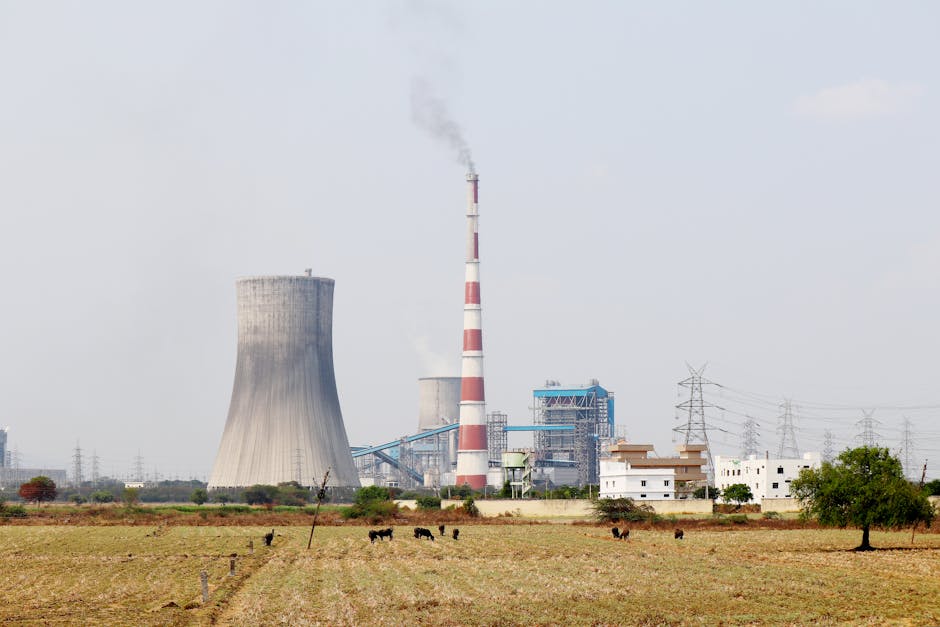
Details regarding the specific "energy infrastructure" targets that were under consideration for strikes remained classified. However, it was widely understood that such targets would likely include critical components of Iran's oil and gas industry—refineries, export terminals, and possibly power generation facilities—which are vital to the country's economy and its ability to fund its government and military. The strategic importance of these targets meant that any strike would have had severe economic repercussions for Iran and potentially triggered a broader regional conflict. The decision to pause these specific strikes underscored the gravity of the military options being weighed.
Iranian officials, while generally cautious in their public statements, did not immediately dismiss the notion of talks, though they consistently reiterated their conditions. President Hassan Rouhani and Foreign Minister Javad Zarif repeatedly stated that Iran would not negotiate under pressure and that the US must first return to the JCPOA and lift sanctions. However, the mere acknowledgement of "talks" by the US, even if indirect, was seen by some analysts as a small concession, creating a sliver of hope for de-escalation.
International reactions to the pause were largely positive, particularly from European nations that had been advocating for de-escalation and a diplomatic solution. Germany, France, and the UK, signatories to the JCPOA, welcomed any move that could reduce tensions and preserve the possibility of the nuclear deal's survival. Regional powers, however, maintained a more cautious or even skeptical stance. Saudi Arabia and Israel, long-standing adversaries of Iran, expressed concerns that a pause in pressure might embolden Tehran, urging continued vigilance against Iranian regional activities. The temporary halt, therefore, represented a complex interplay of domestic political considerations, international pressure, and strategic calculations by both Washington and Tehran.
Impact: Ripple Effects Across Geopolitics and Economy
The ten-day pause in planned US strikes against Iranian energy infrastructure, even if temporary, sent significant ripple effects across geopolitical landscapes and global economies. Its immediate impact was a palpable reduction in the acute tension that had gripped the Persian Gulf, but its broader implications were far-reaching, affecting regional stability, international alliances, and critical economic sectors.
From a geopolitical standpoint, the pause offered a crucial moment of respite in a region perpetually on edge. The specter of direct military conflict between the US and Iran had fueled anxieties among Gulf Arab states, particularly Saudi Arabia and the United Arab Emirates, which share maritime borders with Iran and felt directly threatened by Iranian proxy activities and potential retaliatory strikes. For these nations, a US strike and subsequent Iranian response could have devastating consequences, disrupting oil exports and destabilizing their own security. The temporary de-escalation provided a brief relief, though it also raised questions about the consistency of US policy and its commitment to the "maximum pressure" campaign.
For Israel, a staunch opponent of the JCPOA and a vocal advocate for containing Iran's nuclear and regional ambitions, the pause presented a complex scenario. While Israel generally supported strong action against Iran, any direct US-Iran conflict carried the risk of drawing Israel into a wider regional conflagration. The pause, therefore, might have been viewed with a mixture of cautious relief from immediate danger and concern that diplomatic overtures could lead to a less stringent approach towards Iran's nuclear program or regional behavior.
US alliances, particularly with European partners, were significantly affected. European nations—France, Germany, and the UK—had consistently advocated for diplomatic solutions and the preservation of the JCPOA, despite the US withdrawal. They welcomed any sign of de-escalation, as a conflict in the Middle East would have profound implications for global trade, refugee flows, and international security. The pause validated their consistent calls for dialogue, yet also highlighted the deep transatlantic divisions over Iran policy.
Internally, Iran's political landscape was influenced by the prospect of talks. The hardline factions, often skeptical of engagement with the West and proponents of resistance, likely viewed any diplomatic overture with suspicion, fearing it could undermine national resolve. Conversely, more moderate elements, including President Hassan Rouhani's administration, which had championed the JCPOA, saw the pause as a potential opening to alleviate the severe economic hardship imposed by sanctions. The decision to pause strikes, combined with Trump's "talks going very well" statement, created a delicate balance between these competing internal forces, impacting public opinion and the perceived legitimacy of the government's approach.
Economically, the impact was immediate and global. Oil markets, highly sensitive to geopolitical tensions in the Middle East, reacted to the news with a degree of volatility. Fears of supply disruptions from the Strait of Hormuz, which accounts for approximately 20% of the world's daily oil consumption, had previously driven up crude oil prices. The pause in strikes provided a temporary calming effect, potentially leading to a slight dip in prices or at least preventing further sharp increases. However, the underlying uncertainty meant that the market remained on edge, with traders closely monitoring any further developments.
The shipping industry, particularly those operating in the Persian Gulf, also felt the impact. Insurance premiums for vessels navigating these waters had surged following the tanker attacks, reflecting the heightened risk. A de-escalation of military threats offered the potential for these premiums to stabilize, though the memory of recent incidents ensured that caution remained paramount.
For the Iranian economy, the pause offered a glimmer of hope, however faint. While sanctions remained in full effect, the prospect of "talks" suggested that a path, however narrow, might exist towards eventual sanctions relief. This could have had a psychological effect on the struggling Iranian populace and businesses, even if tangible economic benefits were not immediately forthcoming. Conversely, if talks failed, the re-escalation of threats would only deepen the economic despair.
Beyond immediate economic indicators, the humanitarian impact of potential conflict was a grave concern. A full-scale military confrontation would inevitably lead to civilian casualties, mass displacement, and a humanitarian crisis, exacerbating existing challenges in a region already grappling with multiple conflicts. The pause averted this immediate catastrophe, offering a brief reprieve for the millions of ordinary Iranians who bear the brunt of geopolitical tensions.
Finally, the diplomatic impact was significant. The US decision to pause strikes, even while maintaining its "maximum pressure" campaign, implicitly acknowledged that military force alone might not achieve its objectives and that some form of diplomacy was necessary. This nuanced approach challenged the narrative that the US was solely committed to confrontation. It also put the ball back in Iran's court, testing its willingness to engage, even indirectly, under severe economic duress. The episode highlighted the complex dance between coercion and diplomacy that characterized US-Iran relations during this period, influencing the credibility of both nations' foreign policy strategies on the international stage.
What Next: Navigating the Path Forward
The ten-day pause in planned US strikes against Iranian energy infrastructure, triggered by President Trump's assertion of "talks going very well," set in motion a period of intense anticipation and speculation regarding the future trajectory of US-Iran relations. The immediate question revolved around what would transpire once this temporary moratorium expired.
One critical scenario was the potential for renewed escalation if the "talks" failed to yield concrete progress or if either side perceived the other as negotiating in bad faith. Should diplomacy falter, the US could revert to its original plan for military strikes, potentially targeting the same energy infrastructure or other strategic assets. Such a move would almost certainly provoke a retaliatory response from Iran, risking a dangerous cycle of escalation that could plunge the region into a wider conflict. Iran, for its part, might further reduce its commitments under the JCPOA, accelerating its nuclear program or increasing its support for regional proxies, thereby ratcheting up pressure on the international community.
Conversely, the pause created an opening for potential direct negotiations, a long-held objective for some US policymakers and a recurring demand from European allies. The conditions for such talks, however, remained a significant hurdle. Iran consistently demanded the lifting of US sanctions as a prerequisite for any meaningful dialogue, arguing that it would not negotiate under duress. The US, meanwhile, insisted that sanctions would remain until Iran agreed to a new, more comprehensive deal that addressed not only its nuclear program but also its ballistic missile capabilities and regional behavior. Finding a mutually acceptable venue and agenda for direct talks, therefore, presented a formidable diplomatic challenge.
The role of international actors remained crucial. The P4+1 nations (France, Germany, UK, China, and Russia), the remaining signatories to the JCPOA, were keen to preserve the deal and prevent its complete collapse. They continued to explore mechanisms to provide economic relief to Iran, such as the Instrument in Support of Trade Exchanges (INSTEX), though its effectiveness was limited by US sanctions. The United Nations and the International Atomic Energy Agency (IAEA) would play vital roles in monitoring any future agreements and verifying compliance, maintaining the international non-proliferation regime.
Iranian actions post-pause would be closely scrutinized. Tehran's strategy had been one of "calibrated non-compliance" with the JCPOA, gradually exceeding limits on uranium enrichment and stockpiles to pressure European nations to deliver on their economic promises. The outcome of the "talks" would determine whether Iran continued this strategy, accelerated it, or, if significant concessions were made, reversed course. Demands for tangible sanctions relief, particularly related to oil exports and access to international banking, would remain central to Iran's negotiating position.
For the US, the pause prompted a re-evaluation of its "maximum pressure" strategy. While the administration maintained that sanctions were working to bring Iran to the table, the near-conflict scenario highlighted the inherent risks of a purely coercive approach. The decision to pause strikes suggested an internal debate within the Trump administration regarding the optimal balance between pressure and diplomacy. The future of US policy would depend on the perceived success or failure of these initial "talks," potentially leading to a hardening of the "maximum pressure" stance or a more concerted effort towards sustained diplomatic engagement.
Any new agreement, should it materialize, would require robust monitoring and verification mechanisms to ensure compliance. Lessons learned from the JCPOA's implementation and the challenges faced by the IAEA would inform the design of any future verification regime. The scope of such an agreement—whether it solely addressed nuclear issues or expanded to include missiles and regional proxies—would also be a critical determinant of its feasibility and international acceptance.
Domestic political considerations in both the US and Iran also loomed large. In the US, the approach to Iran was often a contentious issue, particularly during an election cycle (if applicable to the specific timeframe of the pause). In Iran, the upcoming elections and the struggle between hardliners and reformists would heavily influence the government's willingness and ability to engage in sensitive negotiations with the US.
The long-term outlook for US-Iran relations remained uncertain. The path to a comprehensive de-escalation and a new, stable security framework for the region was fraught with obstacles. It would require sustained diplomatic effort, significant concessions from both sides, and the buy-in of regional and international stakeholders. The ten-day pause, while brief, served as a critical inflection point, demonstrating both the profound dangers of unchecked escalation and the persistent, albeit fragile, possibility of a diplomatic resolution to decades of animosity.