The Indian Army has significantly intensified its counter-terrorism operations across Jammu and Kashmir, particularly in the higher reaches and traditional infiltration corridors, coinciding with the onset of Chillai Kalan. This forty-day period, known for its extreme cold and heavy snowfall, traditionally presents unique challenges and opportunities for both security forces and militant groups. The heightened vigilance aims to preempt infiltration attempts and neutralize existing terror modules before they can leverage the harsh winter conditions.
Background: A Persistent Challenge in a Rugged Landscape
Jammu and Kashmir has long been a theatre for counter-terrorism operations, a conflict rooted in decades of cross-border militancy and proxy warfare. The region’s complex geopolitical landscape, characterized by its porous Line of Control (LoC) and challenging topography, has historically facilitated the ingress of armed militants. The Indian Army, along with other security agencies, has consistently worked to counter these threats, evolving its strategies from conventional warfare to specialized counter-insurgency and counter-terrorism (CI/CT) doctrines since militancy escalated in the late 1980s.
The geographical features of J&K play a crucial role in shaping operational dynamics. The region encompasses diverse terrains, from the plains of Jammu to the snow-capped peaks of the Pir Panjal range and the dense forests of the Kashmir Valley. High-altitude passes, treacherous mountain trails, and riverine areas along the LoC have traditionally served as conduits for infiltrators. These routes become even more perilous during winter, yet paradoxically, the heavy snow cover can also offer camouflage to those attempting to cross undetected.
The Annual Ordeal of Chillai Kalan
Chillai Kalan, meaning “major cold” in Kashmiri, is the harshest winter period in the Kashmir Valley, spanning from December 21 to January 30. During these 40 days, the region experiences sub-zero temperatures, frequent blizzards, and heavy snowfall, often leading to the accumulation of several feet of snow, especially in the higher altitudes. Water bodies freeze, roads become impassable, and daily life is significantly impacted.
Historically, militant groups attempted to exploit the severe weather conditions of Chillai Kalan. Reduced visibility, disrupted communication networks, and inherent difficulties for security forces to patrol remote, snow-bound areas were once seen as windows of opportunity for infiltration from across the LoC. The heavy snowfall was believed to cover tracks, making detection harder, and the extreme cold would deter prolonged surveillance and pursuit operations by troops.
However, the Indian Army's strategy has evolved. Recognizing these patterns, security forces have long prepared for winter challenges, developing specialized equipment, training, and tactics to maintain an unyielding presence. The current intensification builds upon decades of accumulated experience and lessons learned in this unique operational theatre, aiming to turn this perceived disadvantage into an operational strength.
Key Developments: A Multi-Pronged Approach to Winter Dominance
The current intensification of counter-terror operations marks a significant shift towards a more proactive and technologically advanced approach. This strategy leverages cutting-edge technology, refined tactical deployments, and enhanced inter-agency coordination to establish a comprehensive security grid during the challenging winter months. The objective is to preempt threats by denying space and resources to terror elements.
Technological Superiority and Surveillance
A cornerstone of the intensified operations is the widespread integration of advanced surveillance and reconnaissance technologies. The Army is deploying a range of Unmanned Aerial Vehicles (UAVs), including both fixed-wing and rotary-wing drones, equipped with high-resolution cameras, thermal imagers, and night vision capabilities. These drones provide real-time intelligence and aerial oversight, crucial for monitoring vast, snow-covered terrains and detecting movement in low visibility conditions.
Ground-based sensor networks have also been upgraded. These include seismic sensors for detecting footsteps, ground-penetrating radars for identifying buried caches, and long-range observation systems that can pierce through fog and snowfall. The use of sophisticated thermal imaging devices and night vision goggles by ground troops has become standard, enabling round-the-clock surveillance. Communication systems have been bolstered with satellite phones and secure radio networks to ensure uninterrupted connectivity even in remote, high-altitude posts.
Enhanced Tactical Deployments and Mobility
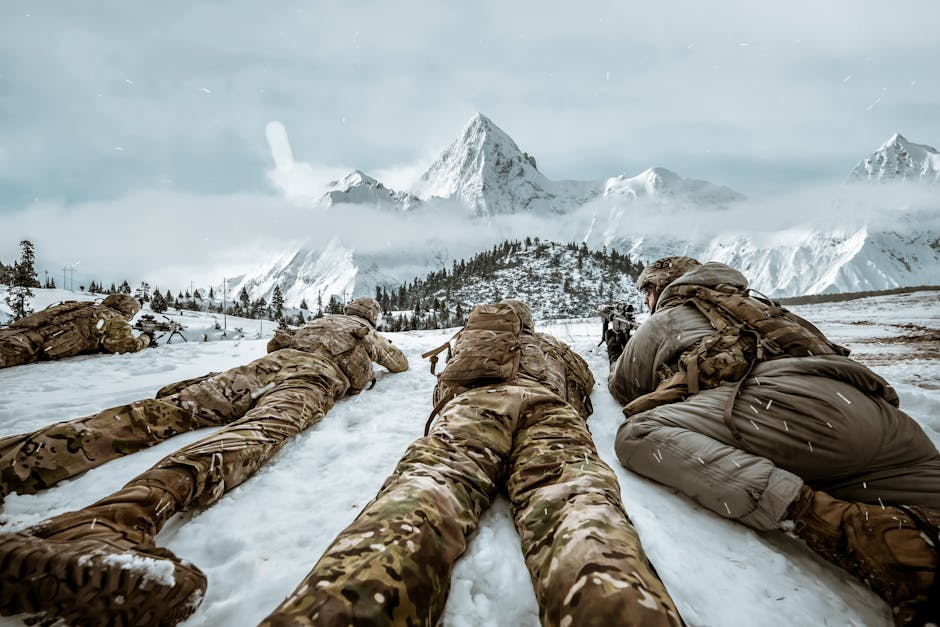
Tactically, the Army has increased the frequency, depth, and duration of patrols, particularly along the LoC and in known infiltration corridors. Specialized snowmobiles and all-terrain vehicles (ATVs) have been inducted to improve mobility in snow-bound areas, allowing troops to cover larger distances and respond with greater agility. Troops are also equipped with advanced winter clothing, specialized snowshoes, and avalanche safety gear.
Area domination exercises are being conducted with greater intensity, focusing on traditional militant hideouts, high-altitude passes, and forest pockets. These operations often involve cordon and search operations (CASO) based on precise intelligence inputs. The deployment of Special Forces units, renowned for their expertise in mountain warfare, has been augmented to conduct targeted strikes and long-range patrols deep into suspected areas.
Intelligence Synergy and Inter-Agency Coordination
A critical aspect of the current strategy is the seamless integration of human intelligence (HUMINT) and technical intelligence (TECHINT). Information gathered from local sources, intercepted communications, and electronic surveillance is meticulously analyzed to create a comprehensive threat picture. This intelligence-led approach ensures precise and effective operations, minimizing collateral damage.
Furthermore, coordination among various security agencies has been significantly enhanced. The Indian Army works in close tandem with the Jammu and Kashmir Police (JKP), the Central Reserve Police Force (CRPF), and various intelligence agencies. Joint planning, intelligence sharing, and synchronized operations are now standard practice, creating a unified front against terrorism. This multi-agency approach ensures that every aspect of the terror ecosystem, from cross-border infiltration to local support networks and financing, is targeted. Recent successes include the recovery of arms and ammunition caches, the neutralization of key militant commanders, and the thwarting of numerous infiltration bids along the LoC.
Impact: Reshaping Security and Daily Life in J&K
The intensified winter counter-terror operations have far-reaching implications, affecting various stakeholders across Jammu and Kashmir. From the security forces themselves to the local populace and the very fabric of terrorist organizations, the impact is multifaceted.
On Security Forces: Resilience and Vigilance
For the Indian Army and other security personnel, the intensification translates into heightened operational tempo and increased personal risk. Soldiers deployed in forward areas and high-altitude posts face extreme physical and mental challenges. The threat of combat encounters is compounded by severe environmental hazards of Chillai Kalan, including frostbite, hypothermia, and avalanches. Maintaining morale and operational effectiveness under such strenuous conditions requires exceptional training, leadership, and logistical support. The constant vigilance, long hours of patrolling in sub-zero temperatures, and psychological stress demand immense resilience and dedication.
On Local Population: Security vs. Disruption
The local population experiences a dual impact. On one hand, intensified operations contribute to a greater sense of security. Reduced terror incidents and a visible decline in militant activities often lead to a more peaceful environment, fostering a sense of normalcy. Local communities, particularly in remote villages, often benefit from the Army’s civic action programs, medical camps, and assistance during emergencies, building trust and cooperation.
On the other hand, increased security presence can also bring disruptions. Frequent cordon and search operations, though intelligence-led, can inconvenience residents. Restrictions on movement in certain areas, particularly near the LoC or encounter sites, can affect daily commutes and economic activities. While security forces strive to minimize inconvenience and maintain human rights, operational realities inevitably impact civilian life. The challenge lies in balancing security imperatives with safeguarding the rights and daily routines of the local populace, ensuring that the "hearts and minds" strategy remains central.
On Terrorist Groups: Disruption and Deterrence
The most direct and significant impact is on terrorist organizations operating in J&K. The intensified operations severely disrupt their networks, making infiltration, movement, and communication significantly harder. Consistent pressure leads to a depletion of cadres, both through neutralizations and by making it difficult to recruit new members or resupply existing ones. Arms and ammunition caches are frequently recovered, starving groups of essential resources.
The enhanced surveillance and proactive patrolling make it extremely risky for infiltrators to cross the LoC, especially during a period they once considered advantageous. This deterrence effect aims to significantly reduce the number of foreign terrorists entering the region and to isolate existing local modules. The constant threat of detection and engagement impacts the morale and operational capabilities of these groups, forcing them to remain on the defensive and hindering their ability to plan and execute major attacks. The strategy aims to dismantle the entire terror ecosystem, from leadership to ground operatives and their support infrastructure.
What Next: Sustained Vigilance and Evolving Strategies
As the intensified winter counter-terror operations proceed through Chillai Kalan, the Indian Army and associated security agencies are preparing for a sustained period of high vigilance and strategic adaptation. The immediate focus remains on maintaining operational momentum, but the long-term outlook involves further evolution of strategies, technological integration, and a continued emphasis on civil-military cooperation to ensure lasting peace and stability in Jammu and Kashmir.
Sustained Pressure Beyond Winter
The operational intensity is not expected to wane with the end of Chillai Kalan. As snow begins to melt in early spring, traditional infiltration routes often become accessible again, albeit with different challenges. Security forces will adapt their tactics to counter the “spring offensive” often attempted by militant groups seeking to push in fresh cadres and supplies. This involves continuous area domination, intelligence-led operations, and maintaining a robust anti-infiltration grid along the LoC and in the hinterland to prevent any resurgence of militancy.
Further Technological Integration and Modernization
The emphasis on technological superiority will only grow. Future milestones include the integration of more advanced AI-driven surveillance systems capable of predictive analysis, enhanced drone capabilities for longer endurance, and sophisticated communication jamming technologies. The Army is likely to invest further in specialized equipment for extreme weather operations, including advanced sensors for avalanche detection. Modernization of forward posts with better living conditions and improved defensive capabilities will also be a continuous process.
Strengthening Intelligence Networks and Community Engagement
While technical intelligence provides crucial data, human intelligence remains indispensable. Future efforts will focus on further strengthening intelligence networks, fostering deeper community engagement, and building trust with the local populace. This includes sustained outreach programs, medical camps, and educational initiatives aimed at winning hearts and minds (WHAM). The objective is to isolate terror groups from local support bases and encourage communities to actively participate in maintaining peace by sharing information and resisting radicalization efforts.
Capacity Building and Specialized Training
Continuous training and capacity building for troops will remain a priority. This includes specialized training in winter warfare, avalanche rescue, counter-IED (Improvised Explosive Device) techniques, and close-quarter battle in diverse terrains. Training modules will be regularly updated to counter evolving militant tactics and technologies. Emphasis will also be placed on psychological resilience training to prepare soldiers for the unique stresses of prolonged counter-terrorism operations in challenging environments.
Enabling Return to Normalcy and Development
Ultimately, the success of these operations is measured not just by the number of militants neutralized or infiltrations thwarted, but by the extent to which they enable a return to normalcy and foster development in J&K. Expected milestones include continued reduction in terror-related incidents, creation of a secure environment conducive to economic growth, and the strengthening of local governance. This will facilitate greater tourism, infrastructure development, and opportunities for local youth, gradually reducing the need for large-scale security deployments and allowing the region to flourish.
Addressing Emerging Challenges
Despite the successes, challenges persist. These include the potential for new tactics by terror groups, continuous external support for militancy, and the enduring threat of radicalization. Security forces will need to remain agile, adaptable, and innovative in countering these evolving threats. The focus will be on a multi-pronged strategy that combines robust security measures with socio-economic development, political engagement, and an effective communication strategy to counter narratives that fuel militancy. The journey towards lasting peace in J&K is ongoing, requiring unwavering commitment and a comprehensive approach from all stakeholders.