Dubai air travel has been significantly disrupted in recent days as Air India and IndiGo, two major Indian carriers, have been compelled to cancel and reschedule numerous flights to and from the United Arab Emirates. This widespread operational upheaval stems from newly imposed restrictions by UAE aviation authorities, impacting thousands of passengers and highlighting the intricate dynamics of international air travel. The situation, unfolding since late [Month, e.g., May or June], has created considerable uncertainty for travelers planning journeys between India and Dubai.
Background: A Vital Air Corridor Under Strain
The air route between India and the United Arab Emirates is one of the busiest and most crucial international aviation corridors globally, facilitating extensive business, tourism, and expatriate travel. Millions of Indian citizens reside and work in the UAE, making regular flights essential for family visits, employment, and trade. Dubai International Airport (DXB), a mega-hub, serves as a primary gateway for these travelers, connecting them not only to the UAE but also to onward destinations worldwide.
Historical Context of India-UAE Air Travel
Historically, air services between India and the UAE have grown exponentially, driven by strong economic ties and a large Indian diaspora. Bilateral Air Service Agreements (BASAs) between the two nations dictate the number of flights and seat capacities that airlines from both sides can operate. These agreements are periodically reviewed and updated, often leading to intense negotiations given the high demand. Any deviation from these agreed-upon capacities or a change in regulatory environment can swiftly lead to operational challenges for airlines.
The operational landscape for airlines flying into Dubai is inherently complex. Dubai International Airport (DXB) is consistently ranked among the world's busiest airports by international passenger traffic. Its strategic location, coupled with aggressive expansion, has solidified its status as a critical global aviation hub. However, this high volume of traffic also means that the airport operates close to its maximum capacity, especially during peak seasons. Air traffic control (ATC) slots, parking bays, and terminal gate availability are tightly managed resources.
Previous Disruptions and Operational Realities
While the current disruption is specifically attributed to UAE restrictions, the aviation sector is no stranger to operational challenges. Previous years have seen various issues, from sudden spikes in fuel prices and geopolitical events to natural phenomena like dense fog in winter months, particularly affecting flights in and out of North Indian cities. The COVID-19 pandemic also imposed unprecedented restrictions, demonstrating the vulnerability of the global air travel system to external factors. However, the present situation appears to be rooted in regulatory or operational directives from the UAE's General Civil Aviation Authority (GCAA) or Dubai's Department of Civil Aviation (DCAA). These directives can range from temporary reductions in approved flight slots, revised operational timings, or even specific capacity limitations imposed on certain carriers or routes, often citing air traffic management or infrastructure capacity constraints.
The sheer volume of flights between India and the UAE means that even minor operational adjustments by authorities can have a cascading effect, leading to significant disruptions. Airlines typically plan their schedules months in advance, securing necessary slots and permits. Any last-minute change by regulatory bodies forces airlines to scramble, often resulting in cancellations and reschedules, as seen with Air India and IndiGo.
Key Developments: Recent Changes and Airline Responses
The current wave of flight disruptions began to manifest prominently in late [Month, e.g., May or June], with initial reports indicating that certain flight approvals or slot allocations for Indian carriers were either withdrawn, reduced, or modified by UAE aviation authorities. This led directly to immediate operational adjustments by affected airlines.
Air India’s Cancellations and Statements
Air India, India's flag carrier, was among the first to announce significant disruptions. The airline confirmed multiple cancellations on its popular routes connecting major Indian cities like Mumbai, Delhi, and Hyderabad to Dubai. For instance, flights such as AI 905/906 (Mumbai-Dubai-Mumbai) and AI 995/996 (Delhi-Dubai-Delhi) were reportedly among those affected, with passengers receiving notifications of cancellations or significant delays.
In official communications, Air India typically cited "operational adjustments due to restrictions imposed by UAE authorities" or "unforeseen circumstances" as the reason for the disruptions. The airline advised affected passengers to check their flight status regularly and offered options for refunds or complimentary rescheduling to alternative flights, subject to availability. However, the limited availability of seats on other flights often complicated rebooking efforts, leaving many travelers in limbo.
IndiGo’s Rescheduling and Capacity Adjustments
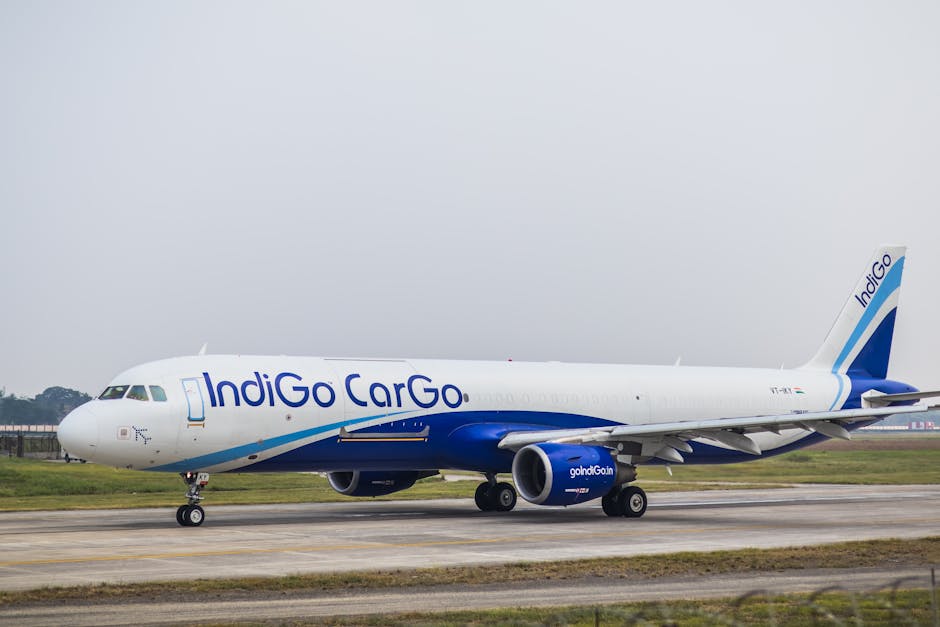
IndiGo, India's largest airline by market share, also faced similar challenges, opting primarily for rescheduling rather than outright cancellations in many instances, although some flights were inevitably cancelled. IndiGo operates an extensive network between India and the UAE, catering to a vast segment of budget travelers. The airline's strategy often involved consolidating flights or adjusting timings to comply with the new operational parameters set by UAE authorities.
For example, a flight originally scheduled for early morning might be pushed to late evening, or two separate flights might be merged into one, leading to longer transit times or changes in connecting flight plans for passengers. IndiGo also communicated these changes to its passengers via SMS and email, offering rebooking or refund options. The airline emphasized its commitment to minimizing inconvenience while adhering to regulatory directives.
Nature of the UAE Restrictions
While specific details from UAE authorities regarding the precise nature of the "restrictions on operation" have been somewhat limited in public statements, industry sources and airline executives suggest several potential reasons. These could include:
Air Traffic Control (ATC) Capacity: Dubai's airspace is among the busiest in the world. Periodic reviews of ATC capacity might lead to temporary reductions in approved flight movements during certain peak hours to ensure safety and efficient flow.
* Airport Slot Management: DXB operates on a highly coordinated slot system. Any changes in slot availability, perhaps due to ongoing infrastructure maintenance, runway works, or a re-evaluation of airport throughput, can impact airlines.
* Regulatory Review: The GCAA or DCAA might be undertaking a broader review of flight frequencies or capacities for specific country pairs, potentially aiming to optimize resource utilization or address market dynamics.
* Temporary Operational Directives: In some cases, temporary directives might be issued to manage unforeseen operational pressures or to implement new safety protocols, which could inadvertently affect flight schedules.
Regardless of the precise cause, the impact has been immediate and far-reaching, forcing airlines to make rapid, often costly, adjustments to their meticulously planned schedules.
Impact: A Ripple Effect Across Stakeholders
The flight disruptions have created a significant ripple effect, impacting a wide array of stakeholders, from individual travelers to the broader economies of both India and the UAE. The immediate consequences are felt most acutely by passengers, but the logistical and financial burdens on airlines, airports, and related industries are also substantial.
Affected Passengers: Stranded and Stressed
Thousands of passengers traveling for various reasons have been directly affected. Many were left stranded at airports in India and Dubai, facing uncertainty and frustration.
Leisure Travelers: Families planning vacations, honeymoons, or visits to relatives found their plans abruptly altered, leading to emotional distress and financial losses from non-refundable hotel bookings or tour packages.
* Business Travelers: Executives and professionals on critical business trips faced delays or cancellations, potentially missing important meetings, conferences, or deadlines, impacting business deals and productivity.
* Expatriate Workers: A large segment of affected passengers includes Indian expatriates working in the UAE, who rely on these flights for regular visits home or to return to work. Disruptions can jeopardize their employment or cause significant personal inconvenience.
* Connecting Passengers: Travelers using Dubai as a transit hub for onward international journeys faced compounded problems, missing connecting flights and incurring additional costs for rebooking multiple legs of their journey.
* Visa and Immigration Issues: For some, prolonged delays could even lead to complications with visa validity, especially for those on short-term visas, adding another layer of stress.
Passengers reported difficulties in contacting airline customer service due to high call volumes, long queues at airport counters, and limited alternative flight options. The financial burden included not just rebooking costs but also expenses for accommodation, food, and local transport incurred during unexpected delays.
Airlines: Financial Losses and Reputational Damage
For Air India and IndiGo, the disruptions translate into significant operational and financial challenges:
Revenue Loss: Canceled flights mean lost ticket sales, while rescheduled flights can lead to compensation payouts for delays, refunds, and rebooking costs, directly impacting revenue.
* Operational Costs: Aircraft and crew are expensive assets. Grounded aircraft incur parking fees, while crew members might exceed duty time limits, requiring alternative arrangements and additional expenses.
* Logistical Nightmare: Re-optimizing flight schedules, re-routing aircraft, managing crew rotations, and processing thousands of passenger requests creates a massive logistical challenge for airline operations centers.
* Customer Service Strain: Call centers and airport staff are overwhelmed by inquiries and complaints, straining resources and potentially leading to service quality issues.
* Reputational Impact: Frequent cancellations and delays can erode passenger trust and loyalty, potentially leading to a long-term negative impact on the airlines' brand image.
Tourism and Business Sectors
The disruptions also have broader economic implications:
Dubai's Tourism: Any sustained reduction in flight connectivity from a major source market like India can negatively impact Dubai's tourism sector, affecting hotels, tour operators, and local businesses that rely on visitor influx.
* Bilateral Trade and Commerce: Business travel is crucial for fostering trade and investment between India and the UAE. Disruptions can impede negotiations, project management, and supply chain logistics, potentially causing economic slowdowns in specific sectors.
* Air Cargo: While the primary focus is on passenger travel, many commercial flights also carry cargo. Cancellations and delays can disrupt supply chains for goods, impacting businesses reliant on timely air freight between the two regions.
The cumulative effect of these disruptions underscores the interconnectedness of the global aviation ecosystem and the significant consequences when critical links in the chain are affected.
What Next: Navigating Towards Normalcy
As the situation unfolds, both airlines and regulatory bodies are working to mitigate the impact and restore normalcy. The path forward involves immediate operational adjustments, ongoing dialogue between aviation authorities, and a focus on long-term stability.
Airline Mitigation Strategies
Air India and IndiGo are actively implementing measures to support affected passengers and streamline operations:
Flexible Rebooking and Refunds: Both airlines are offering passengers the option to rebook their flights for a later date without additional charges or to receive a full refund. This provides some relief to travelers, although finding suitable alternative flights remains a challenge.
* Alternative Routing: For some critical routes, airlines might explore alternative routing options, perhaps utilizing different airports in the UAE (like Sharjah or Abu Dhabi) if permitted and logistically feasible, though this is often complex.
* Enhanced Communication: Airlines are attempting to improve communication channels, providing regular updates via their websites, social media, and direct messages to passengers, though the volume of inquiries can overwhelm these systems.
* Operational Adjustments: Internally, airlines are continuously revising their schedules, optimizing aircraft utilization, and managing crew rosters to minimize further disruptions and accommodate as many passengers as possible on available flights.
Regulatory Dialogue and Resolution
A crucial aspect of resolving the situation lies in the ongoing dialogue between the aviation regulatory bodies of India and the UAE.
Indian DGCA's Role: India's Directorate General of Civil Aviation (DGCA) is likely to be in communication with its UAE counterparts, specifically the GCAA, to understand the precise nature and duration of the restrictions. The DGCA's role involves advocating for Indian carriers and ensuring fair treatment, as well as coordinating with airlines to manage the domestic impact.
* Bilateral Discussions: High-level discussions between aviation ministries or authorities from both countries may be initiated to address the underlying causes of the restrictions. These discussions could focus on reviewing existing bilateral air service agreements, discussing slot availability, and finding mutually agreeable solutions to ensure smooth air connectivity.
* Long-Term Planning: The outcome of these dialogues will be critical in determining the long-term operational framework. This might involve revised slot allocations, updated flight schedules, or even changes in the overall capacity entitlements under the BASA.
Expected Milestones and Future Outlook
The timeline for a complete return to normal operations remains fluid, dependent on the outcome of regulatory discussions and the lifting or modification of the UAE's restrictions.
Phased Resumption: It is likely that any easing of restrictions will lead to a phased resumption of full flight schedules rather than an immediate return to pre-disruption levels. Airlines will need time to re-optimize their networks.
* Holiday Season Impact: If the disruptions extend into major holiday periods, such as upcoming festivals or summer vacations, the impact on passenger traffic and airline profitability could be significantly magnified.
* Lessons Learned: This event serves as a reminder of the fragility of even the most robust air travel systems. It may prompt both countries to review their contingency plans for similar future scenarios, potentially leading to more transparent communication protocols and quicker resolution mechanisms.
* Technological Solutions: In the long term, investment in advanced air traffic management systems and airport infrastructure at major hubs like DXB could help mitigate capacity-related restrictions, ensuring more resilient operations in the face of ever-increasing demand.
Passengers planning travel between India and Dubai in the coming weeks are strongly advised to regularly check their flight status with their respective airlines, subscribe to flight alerts, and consider purchasing flexible tickets or travel insurance to mitigate potential financial losses from further unforeseen changes. The aviation sector continues to navigate these complex challenges, striving to maintain essential connectivity while adhering to evolving regulatory landscapes.