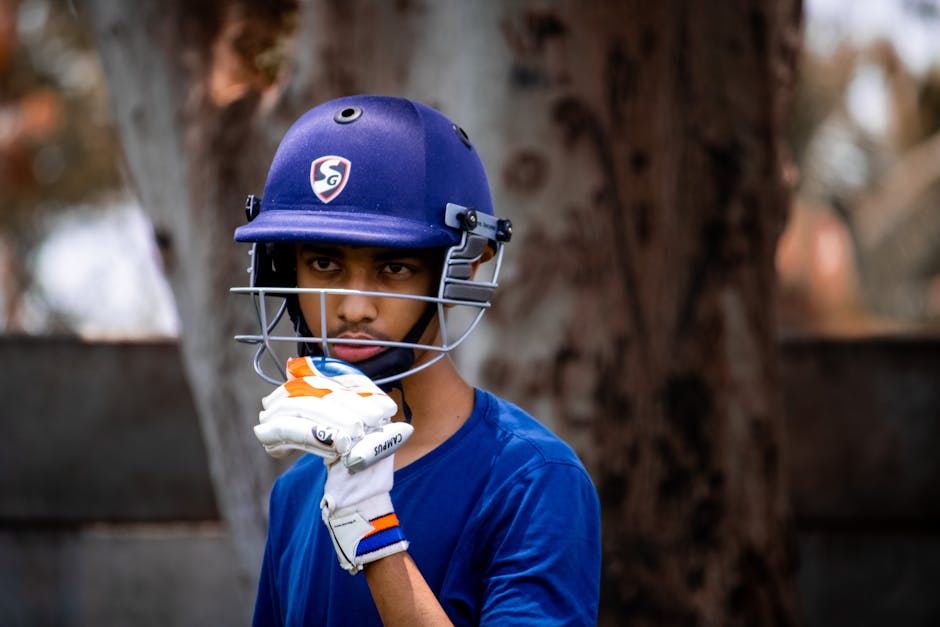
Harshit Rana Undergoes Knee Surgery, Set to Miss Bulk of IPL Season
Harshit Rana, the promising young fast bowler for Kolkata Knight Riders (KKR), has recently undergone knee surgery, an unfortunate development that will see him sidelined for a significant portion of the upcoming Indian Premier League (IPL) season. The procedure, performed by leading orthopedic specialists, aims to address a persistent knee issue that has plagued the bowler.
This setback represents a considerable blow to both Rana's personal aspirations and KKR's strategic plans for the highly anticipated tournament, forcing the franchise to recalibrate its bowling attack in his absence.
Background: The Rise and Current Context of Harshit Rana
The Journey of a Young Fast Bowler
Harshit Rana emerged onto the Indian domestic cricket scene as a right-arm fast-medium bowler, quickly garnering attention for his pace, ability to hit consistent lines, and a deceptive slower ball. Hailing from Delhi, his journey through age-group cricket and subsequent performances for the Delhi state team in various domestic tournaments, including the Syed Mushtaq Ali Trophy and the Ranji Trophy, laid the groundwork for his entry into the IPL.
His early career was marked by a steady progression, demonstrating not just raw talent but also a commendable work ethic. Rana’s capacity to bowl effectively across different phases of an innings—from the powerplay to the crucial death overs—made him a valuable asset. He possesses a natural athleticism and a smooth bowling action, which, combined with his competitive spirit, hinted at a bright future in the sport.
KKR’s Strategic Investment and Rana’s Role
The Kolkata Knight Riders recognized Rana’s potential and secured his services, initially bringing him into the squad as a net bowler before elevating him to a full contract. This progression underscored the franchise’s belief in his capabilities and their long-term vision for nurturing young Indian talent. Rana’s IPL debut provided glimpses of his skill, and he quickly became an integral part of KKR’s bowling resources.
His role within the team evolved, moving beyond just a support bowler to a frontline option, particularly in scenarios requiring tight bowling and wicket-taking prowess. KKR’s management and coaching staff had invested significant time and effort in his development, viewing him as a key component of their pace battery alongside more experienced campaigners. His expected contribution for the current season was substantial, with plans for him to shoulder significant responsibility in crucial match situations, especially given the high-stakes nature of the IPL.
The Broader IPL Landscape and KKR’s Ambitions
The Indian Premier League is a highly competitive tournament where every team strives for a balanced squad, and the availability of quality Indian fast bowlers is often a decisive factor. KKR, a franchise with a rich history and two IPL titles, has consistently aimed for top honors. The current season holds particular significance, with renewed hopes and a revamped squad designed to challenge for the championship.
Rana’s presence was considered vital for providing depth and variety to the KKR bowling attack, complementing the skills of both domestic and international pacers. His ability to adapt to different pitch conditions and execute various plans made him a versatile option. The team’s overall strategy, which often relies on a strong Indian core, was partly built around the contributions of players like Rana.
Genesis of the Injury: A Developing Concern
While the specifics of the injury’s onset are often closely guarded by franchises, it is understood that Harshit Rana’s knee issue had been a developing concern. Professional athletes, particularly fast bowlers, place immense stress on their lower body during their bowling action, making knee injuries relatively common. There were subtle indications during his recent training sessions and possibly during earlier domestic fixtures that suggested discomfort or an underlying problem.
Team medical staff, working in conjunction with the National Cricket Academy (NCA) if applicable, continuously monitor player fitness. It is likely that initial assessments identified a nascent issue, which then progressed to a point where intervention became necessary. The decision to manage such an injury conservatively versus opting for surgery is always complex, weighing the immediate demands of the sport against the long-term health and career prospects of the athlete.
Initial Medical Assessment and Prognosis
Following a period of observation and initial conservative treatment, comprehensive medical evaluations, including advanced imaging techniques such as MRI scans, confirmed the extent and nature of the knee injury. While the exact diagnosis has not been publicly detailed, such injuries in fast bowlers often involve ligaments (like the ACL or PCL), meniscal tears, or cartilage damage, all of which can severely impact stability and mobility.
Specialist orthopedic surgeons were consulted, providing expert opinions on the optimal course of action. The initial prognosis likely suggested that conservative management, while potentially offering a temporary reprieve, might not provide a durable solution for a high-performance athlete like Rana. This critical assessment formed the basis for the subsequent decision to proceed with surgical intervention, prioritizing a complete and lasting recovery over a rushed return.
Key Developments: The Surgical Intervention and Official Response
The Deliberation and Decision for Surgery
The decision to undergo knee surgery is never taken lightly, particularly for a professional cricketer at the cusp of a major tournament. It involves extensive consultations among the player, the franchise’s medical team, independent orthopedic specialists, and often the player’s family. The primary considerations revolve around the long-term health of the athlete, the efficacy of the surgery in providing a permanent solution, and the projected rehabilitation timeline.
In Rana’s case, after thorough diagnostic procedures revealed the specific nature and severity of the knee damage, a consensus was reached that surgical intervention offered the best pathway to full recovery and a sustained career. This choice reflects a commitment to the player’s well-being beyond the immediate demands of the IPL season, acknowledging that a compromised knee could lead to recurring issues and hinder his future performance. The medical experts would have presented a clear picture of the surgical procedure, the expected recovery phases, and the potential risks, allowing for an informed decision.
The Surgical Procedure
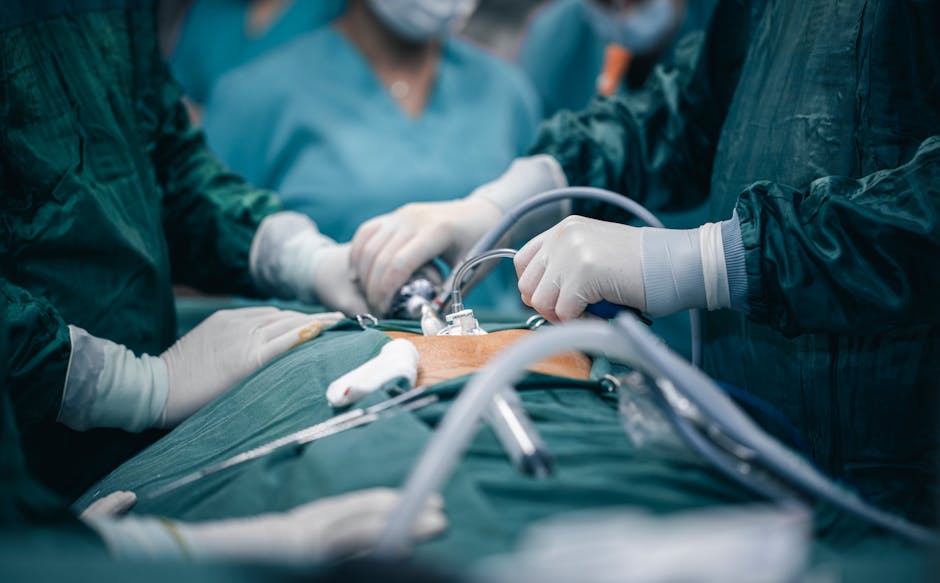
The surgery on Harshit Rana’s knee was performed recently, though the exact date and specific medical facility have not been widely disclosed, adhering to patient privacy protocols. Such procedures are typically conducted by highly skilled orthopedic surgeons specializing in sports injuries. Depending on the nature of the injury—be it a ligament reconstruction, meniscus repair, or cartilage regeneration—the surgery could be arthroscopic (minimally invasive) or, in more complex cases, involve a small open incision.
Arthroscopic surgery is common for knee issues, involving small incisions through which a camera and specialized instruments are inserted to repair or reconstruct damaged tissues. This approach generally leads to less post-operative pain and a quicker initial recovery compared to open surgery. The successful completion of the surgery marks the crucial first step in Rana’s journey back to competitive cricket, ensuring the structural integrity of the knee is restored.
Official Announcements and Media Reaction
Following the surgery, the Kolkata Knight Riders franchise officially confirmed Harshit Rana’s injury and the successful completion of his knee surgery. These announcements are typically made through official press releases or statements on their social media platforms. The communication would have conveyed the team’s support for Rana, wishing him a speedy recovery, and confirming his unavailability for a significant portion of the IPL season.
Such news inevitably garners significant media attention, especially from sports news outlets like ESPNcricinfo, given Rana’s growing profile and KKR’s prominent status in the IPL. Cricket analysts and commentators would have weighed in on the impact of his absence, discussing potential replacements and the implications for KKR’s campaign. Fan communities would also express their disappointment but simultaneously offer messages of support and encouragement to the young bowler.
Revised Timeline for Absence and Return Prospects
The initial prognosis post-surgery indicates that Harshit Rana is set to miss the bulk of the IPL season. While “bulk” can be subjective, it generally implies that he will be unavailable for most, if not all, of the league stage matches. A typical recovery timeline for significant knee surgery, depending on its complexity, can range from four to six months for a return to competitive sport, and sometimes longer for full match fitness and confidence.
This revised timeline means KKR will have to navigate the majority of their fixtures without him. There might be a slim possibility of his return for the very latter stages of the tournament, such as the playoffs, should KKR qualify and if his rehabilitation progresses exceptionally well and ahead of schedule. However, medical teams prioritize a cautious approach to prevent re-injury, making a late-season return a hopeful rather than a definite prospect. The focus will firmly remain on a comprehensive recovery rather than a premature comeback.
Impact: Repercussions Across the Cricket Ecosystem
Personal Impact on Harshit Rana
The immediate and long-term impact on Harshit Rana himself is profound. Physically, he faces a challenging period of pain management, limited mobility, and an intensive rehabilitation regimen. The initial days post-surgery are often characterized by discomfort and the psychological adjustment to being incapacitated. The road to recovery is arduous, demanding immense discipline, patience, and resilience.
Mentally, this injury represents a significant setback. Missing a prestigious tournament like the IPL, especially when he was expected to play a crucial role, can lead to feelings of frustration, isolation, and disappointment. Young athletes often derive a significant portion of their identity and self-worth from their performance on the field. The pressure to return to form, coupled with the fear of re-injury, can be emotionally taxing. His career trajectory, which was on an upward curve, will now face an unavoidable pause, potentially delaying national team aspirations or opportunities in other leagues.
Financially, while IPL contracts offer a degree of security, missed matches can impact match fees and performance-based bonuses. More importantly, a prolonged absence can affect future contract valuations and endorsement opportunities. Long-term health is also a concern; while surgery aims to resolve the issue, vigilance against future complications or compensatory injuries in other parts of the body will be crucial throughout his career.
Impact on Kolkata Knight Riders (KKR)
Team Composition and Strategic Adjustments
Harshit Rana’s absence creates a significant void in the KKR bowling attack. As a young Indian fast bowler, he provided a crucial balance to the squad, allowing the team management flexibility in selecting overseas players. His ability to bowl with pace and offer variations, particularly in the death overs where he had shown promise, will be sorely missed. The team’s tactical blueprint, which likely factored in Rana’s specific skills, will now require immediate and substantial adjustments.
Captain Shreyas Iyer and head coach Chandrakant Pandit will face the challenge of re-strategizing their bowling combinations. This could mean a heavier reliance on other Indian pacers in the squad, some of whom might be less experienced or primarily suited for different phases of the innings. It might also necessitate a shift in how overseas fast bowling options are utilized, potentially limiting other strategic choices regarding all-rounders or specialist batsmen.
The Search for a Replacement Player
Under IPL rules, franchises are permitted to sign a like-for-like replacement for an injured player. KKR will now embark on a scouting mission to identify a suitable candidate. This process is complex, as finding an Indian fast bowler with similar attributes and match readiness at short notice can be challenging. The criteria for replacement often include recent domestic performances, availability, and the ability to integrate quickly into the team's system.
Potential candidates might include uncapped domestic fast bowlers who have performed well in state-level tournaments or even players who went unsold in the auction but possess the required skill set. The financial implications for KKR will involve negotiating a new contract for the replacement, adding an unforeseen expenditure. More critically, the new player will need time to adapt to the IPL environment, the team's strategies, and the pressure of high-stakes matches.
Performance Implications for KKR's Campaign
The loss of a key player, especially a frontline bowler, can significantly impact a team's performance. KKR's aspirations for the current IPL season, which are undoubtedly set high, will now face an early test. The absence of Rana could potentially weaken their bowling depth, particularly if other bowlers struggle with form or fitness.
Historically, teams that lose key players early in a tournament often face an uphill battle. While resilient teams can overcome such setbacks, it places additional pressure on the remaining squad members to step up and deliver exceptional performances. The overall morale of the team, while professional, might also be momentarily affected by the unfortunate news, requiring strong leadership and team cohesion to maintain focus.
Broader Impact on the IPL Season and Indian Cricket
From a broader perspective, Harshit Rana’s injury is a loss for the IPL season as a whole. The tournament thrives on showcasing the best talent, and the absence of a promising young Indian fast bowler diminishes the overall quality and excitement for fans. KKR’s fan base, which is passionate and extensive, will undoubtedly feel the disappointment of not seeing one of their rising stars in action.
For Indian cricket, such injuries to young fast bowlers often reignite discussions about player workload management. The demanding schedule of domestic cricket, combined with the intensity of the IPL, places significant physical stress on fast bowlers. The Board of Control for Cricket in India (BCCI) and the National Cricket Academy (NCA) play a crucial role in monitoring the fitness and rehabilitation of young talents, aiming to ensure their longevity in the sport. Rana’s situation underscores the ongoing challenge of balancing performance demands with player welfare, a critical aspect for maintaining a robust talent pipeline for the national team.
What Next: The Path to Recovery and Return to Play
Immediate Post-Surgery Care and Initial Recovery
The period immediately following knee surgery is critical for setting the foundation for a successful recovery. Harshit Rana would have spent a short duration in the hospital, receiving post-operative care focused on pain management, wound care, and monitoring for any immediate complications. Upon discharge, he would transition to home recovery, where the initial phase of rehabilitation begins.
This phase typically involves strict adherence to medical advice, including managing swelling with ice and elevation, gentle passive range-of-motion exercises, and potentially the use of a brace or crutches to protect the surgical site and limit weight-bearing. The primary goals during these initial weeks are to reduce inflammation, minimize pain, and prevent stiffness, gradually restoring basic mobility without stressing the repaired tissues.
Comprehensive Rehabilitation Program
Harshit Rana will embark on a structured and multi-phased rehabilitation program, meticulously designed by physiotherapists and sports medicine specialists. This program is crucial for restoring strength, flexibility, stability, and ultimately, the functional capacity of his knee. The rehabilitation journey is often divided into distinct phases:
Phase 1: Protection and Early Motion (Approximately Weeks 1-6)
The initial phase focuses on protecting the surgical repair while gently reintroducing movement. Goals include reducing post-operative swelling, achieving full knee extension, and gradually increasing flexion. Exercises are typically non-weight-bearing or partial weight-bearing, involving passive and active-assisted range-of-motion movements, as well as isometric contractions to activate muscles without joint movement. The use of a continuous passive motion (CPM) machine might be employed to aid in restoring range of motion. Education on proper body mechanics and activity modification is also a key component.
Phase 2: Strength and Neuromuscular Control (Approximately Weeks 6-12)
Once adequate healing has occurred and basic range of motion is restored, the rehabilitation progresses to strengthening. This phase aims to improve muscle strength around the knee (quadriceps, hamstrings, calves) and enhance neuromuscular control. Exercises will include progressive resistance training, starting with light weights and gradually increasing intensity. Balance and proprioception exercises, crucial for joint stability, will be introduced. Functional movements, such as squats, lunges, and step-ups, will be incorporated, moving from isolated exercises to more compound movements. The emphasis is on regaining stability and controlled movement patterns.
Phase 3: Return to Activity and Sport-Specific Training (Approximately Weeks 12-24+)
This advanced phase prepares the athlete for the specific demands of cricket. Goals include restoring full strength, power, agility, and endurance. Exercises will become more dynamic and sport-specific, incorporating plyometrics (jumping and landing drills), agility drills (shuttles, cones), and progressive running programs. Gradual reintroduction to bowling-specific movements, starting with gentle bowling actions without a ball, then progressing to short run-ups and eventually full run-ups with a ball, will be carefully managed. The focus here is on simulating match conditions and ensuring the knee can withstand the high-impact stresses of fast bowling.
Medical Monitoring and Clearance Protocols
Throughout the rehabilitation process, Harshit Rana will undergo regular medical monitoring. This includes periodic check-ups with his orthopedic surgeon to assess healing, evaluate progress, and address any concerns. Follow-up MRI scans or X-rays may be performed to confirm the integrity of the surgical repair and the overall health of the knee joint. The KKR medical team, along with experts from the BCCI’s National Cricket Academy (NCA), will play a crucial role in overseeing his progress, ensuring that he meets all the necessary physical benchmarks before contemplating a return to play.
Clearance to return to competitive cricket is a multi-faceted decision. It requires not only the surgeon’s approval but also the physiotherapist’s assessment of functional strength and mobility, and a sports psychologist’s evaluation of the player’s mental readiness. Fitness assessments, including strength tests, agility tests, and endurance drills, must demonstrate that Rana has regained optimal physical condition and that his knee can safely withstand the rigors of professional cricket.
Targeted Return Date and Long-Term Perspective
While an exact return date is difficult to pinpoint and often subject to the individual’s healing process, a realistic timeframe for a full return to competitive cricket following significant knee surgery typically extends beyond six months. This suggests that Harshit Rana might be looking at a return to action sometime in the latter half of the year, potentially targeting domestic tournaments preceding the next IPL season or other international assignments if he makes a strong comeback.
The emphasis will be on a cautious and phased return, avoiding any temptation to rush back prematurely, which could lead to re-injury. The long-term perspective of his career will take precedence over immediate tournament demands. The goal is not just to return to play, but to return stronger, more resilient, and with the confidence that his knee is fully recovered, ensuring he can perform at his peak for many years to come.
The Crucial Role of the Support System
During this challenging period, Harshit Rana’s support system will be paramount. This includes the unwavering backing of the Kolkata Knight Riders franchise, including team management, coaching staff, and his teammates. Their encouragement and understanding will be vital for his mental well-being. His family and personal support network will also provide essential emotional stability.
Furthermore, access to sports psychologists can be beneficial in addressing the mental aspects of injury recovery, helping him cope with frustration, maintain motivation, and rebuild confidence. This holistic approach to rehabilitation, encompassing physical, medical, and psychological support, will be instrumental in guiding Harshit Rana through this arduous journey and back to the cricket field.