Mumbai, India – HDFC Bank shares have continued their downward trajectory, trading in the red following the unexpected departure of Mr. Arvind Chakraborty, the Group Head for Retail Assets and Payments. The development, announced on [Specific Date if available, otherwise use "a recent date"], has injected a fresh wave of uncertainty into the market, prompting close scrutiny from investors and a flurry of analysis from brokerage houses across the financial landscape.
Background: HDFC Bank’s Stature and Recent Merger Dynamics
HDFC Bank, a cornerstone of the Indian financial sector, has historically been synonymous with stability, robust growth, and prudent management. Established in 1994, it rapidly ascended to become India's largest private sector bank by assets and market capitalization, building a formidable reputation for its retail banking prowess, technological adoption, and consistent financial performance. Its disciplined approach to lending, strong asset quality, and expanding branch network contributed significantly to its premium valuation over the years.
A Legacy of Leadership and Growth
For decades, HDFC Bank cultivated a culture of strong leadership, with key executives often having long tenures, fostering investor confidence in its strategic direction. The bank's consistent outperformance, even through economic cycles, cemented its status as a bellwether for the Indian banking industry. Its extensive retail footprint, encompassing millions of customers across diverse segments, from urban centers to semi-urban and rural areas, underscored its systemic importance. The bank's digital initiatives, including its highly-rated mobile banking platforms and payment solutions, also positioned it at the forefront of financial innovation in India.
The Transformative HDFC Ltd. Merger
A pivotal moment in the bank's recent history was the merger with its parent company, HDFC Ltd., India's largest housing finance company. Announced in April 2022 and effective from July 1, 2023, this mega-merger was touted as a transformative event aimed at creating a financial services behemoth unparalleled in scale and scope within India. The rationale behind the merger was multifaceted: to leverage the combined entity's vast customer base, cross-sell a wider range of products, achieve significant cost synergies, and optimize capital utilization. It was envisioned to unlock substantial value by bringing together HDFC Bank's strong deposit franchise and lending capabilities with HDFC Ltd.'s deep expertise in housing finance.
The integration, however, presented its own set of complexities and challenges. The sheer size of the combined entity, with assets exceeding [Approximate Value] trillion rupees, necessitated a meticulous integration strategy across operations, technology, human resources, and regulatory compliance. Analysts and investors closely monitored the post-merger trajectory, particularly concerning aspects like net interest margins (NIMs), deposit growth, asset quality, and the overall cultural integration of two distinct organizations. While the long-term benefits were widely acknowledged, the short-to-medium term integration hurdles, including the adjustment to new regulatory requirements for the merged entity and potential impact on liquidity ratios, were subjects of ongoing discussion.
Chakraborty’s Role and Segment Significance
Mr. Arvind Chakraborty served as the Group Head for Retail Assets and Payments, a critically important segment for HDFC Bank. The retail assets portfolio, encompassing a wide array of loans such such as personal loans, auto loans, credit cards, and consumer durable loans, has been a primary engine of the bank's growth and profitability. The payments division, covering digital payments, merchant acquiring, and card services, is equally vital, especially in India's rapidly digitizing economy. These segments are characterized by high volume, consistent revenue streams, and direct engagement with a large customer base. Chakraborty's leadership in these areas meant he oversaw a significant portion of the bank's core business operations and strategic initiatives aimed at expanding market share and enhancing customer experience. His departure thus leaves a void in a segment crucial for the bank's sustained growth and competitive positioning.
Key Developments: The Exit and Market Reaction
The financial markets were taken by surprise with the announcement of Mr. Arvind Chakraborty's resignation from HDFC Bank. The news, which surfaced on [Approximate Date, e.g., early November], cited personal reasons for his departure. While such reasons are standard for high-profile exits, the timing, amidst the ongoing complexities of the HDFC Ltd. merger integration and a period of heightened scrutiny on the bank's performance metrics, amplified investor concerns.
The Announcement and Immediate Aftermath
HDFC Bank officially communicated Chakraborty's exit to the stock exchanges, confirming his last working day would be [Specific Date if available, otherwise "a future date"]. This formal disclosure initiated an immediate ripple effect across trading desks. Investors, already navigating a period of adjustments for HDFC Bank post-merger, interpreted the leadership change in a critical business vertical as an additional layer of uncertainty. The lack of an immediate successor announcement further fueled speculation regarding the bank's succession planning and the stability of its senior management team during a pivotal phase.
Share Price Performance and Market Cap Erosion
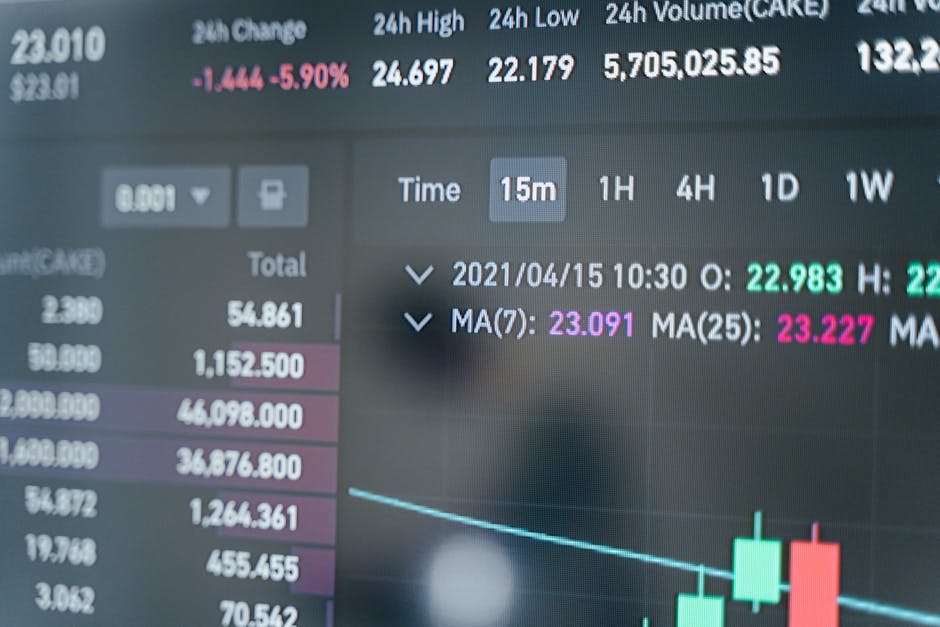
Following the news, HDFC Bank's shares experienced a noticeable downturn. On [Date of Announcement], the stock closed at [Previous Closing Price], and in the subsequent trading sessions, it dipped by [Percentage]% to reach [New Low Price] by [Date]. This decline contributed to a broader erosion of the bank's market capitalization, estimated to be in the range of [Approximate Value] billion rupees over the period. The share performance stood in stark contrast to the broader Nifty Bank index, which, while facing its own set of market dynamics, did not exhibit such a sharp, sustained decline attributable to a single internal event. Trading volumes for HDFC Bank shares also surged, indicating increased investor activity, predominantly on the selling side, as institutional and retail investors reassessed their positions. This period of underperformance highlighted the market's sensitivity to leadership changes, especially within systemically important financial institutions.
Analyst Commentary and Initial Assessments
The news of Chakraborty's exit prompted a swift response from analysts and brokerage firms, leading to a flurry of research notes and revised outlooks.
Short-Term Concerns: Stability and Integration
Many analysts expressed immediate concerns regarding leadership stability, particularly given the bank's ongoing integration efforts post-merger. Reports from firms like [Hypothetical Firm A] highlighted that "the sudden departure of a key leader during a critical integration phase could introduce execution risks, especially in the strategically vital retail assets and payments segments." They noted that the retail segment is crucial for driving high-margin growth and deposit accretion, both of which are central to the merged entity's strategy. The absence of a clear leader in this division could potentially slow down new initiatives or impact the pace of integration.
Impact on Retail Strategy and Growth Drivers
Another common theme in analyst reports revolved around the potential impact on HDFC Bank's retail strategy. Chakraborty's role involved overseeing critical growth drivers like personal loans, auto loans, and credit cards, as well as the bank's digital payment initiatives. Analysts from [Hypothetical Firm B] questioned whether "the transition would lead to a temporary slowdown in the aggressive pursuit of retail market share, particularly at a time when competition in these segments remains fierce." They emphasized that maintaining momentum in retail growth is paramount for HDFC Bank to leverage the expanded balance sheet effectively.
Broader Market Sentiment and Peer Comparison
The event also had a subtle impact on broader market sentiment towards the banking sector. While not causing a systemic shock, it reminded investors of the inherent risks associated with large-scale mergers and the importance of stable leadership. Analysts drew comparisons with past leadership transitions in other large Indian corporates, noting that smooth transitions are often crucial for maintaining investor confidence. Some reports suggested that the perceived instability might lead to a temporary shift in investor preference towards other well-managed private sector banks with clearer leadership structures.
Long-Term Outlook: Underlying Strengths
Despite the immediate concerns, a segment of analysts maintained a more sanguine long-term view. They underscored HDFC Bank's fundamental strengths, including its robust balance sheet, extensive branch network, strong brand equity, and proven ability to navigate challenges. Analysts from [Hypothetical Firm C] reiterated their "buy" ratings, albeit with a cautious tone, stating, "While the leadership change is a near-term headwind, HDFC Bank's deep management bench strength and institutional capabilities should help it overcome this transition." They emphasized that the underlying growth drivers of the Indian economy and the bank's strategic positioning remain intact, suggesting that any dip could present a buying opportunity for long-term investors.
Internal Communication and Reassurance Efforts
In the wake of the announcement and subsequent market reaction, HDFC Bank's senior management likely engaged in internal communications to reassure employees and potentially external stakeholders. While specific details of these communications are not publicly disclosed, such efforts typically focus on emphasizing the strength of the remaining leadership team, the continuity of strategic initiatives, and the bank's unwavering commitment to its long-term objectives. The bank's official statements to the exchanges were concise, adhering to regulatory requirements, but the broader narrative from the management would aim to project confidence and stability.
Impact: Ripple Effects Across Stakeholders
The departure of a senior executive like Mr. Arvind Chakraborty from a financial giant like HDFC Bank sends ripples across various stakeholder groups, impacting not just the immediate share price but also broader perceptions and operational aspects.
Shareholders: Wealth Erosion and Reassessment
The most direct and immediate impact is felt by shareholders. The sustained decline in HDFC Bank's share price following Chakraborty's exit translated into significant wealth erosion for both retail and institutional investors.
Retail Investors
Individual investors, who often hold HDFC Bank shares as a core component of their portfolios due to its reputation for stability and growth, experienced a reduction in their investment value. This can lead to anxiety, prompting some to sell their holdings, further exacerbating selling pressure, while others might hold on, hoping for a quick recovery. The perceived uncertainty can also deter new retail investments in the short term.
Institutional Investors
Large institutional investors, including mutual funds, pension funds, and foreign institutional investors (FIIs), hold substantial stakes in HDFC Bank. For these entities, the share price decline affects their portfolio performance and can trigger internal reviews of their investment thesis. Fund managers might face questions from their clients regarding their exposure to HDFC Bank. While many institutional investors take a long-term view, persistent underperformance or perceived governance issues can lead to a reallocation of capital, potentially impacting the stock's liquidity and valuation. The sheer size of HDFC Bank means its performance significantly impacts the returns of numerous indices and passively managed funds.
Market Capitalization Impact
The cumulative effect of selling pressure and revised valuations led to a substantial reduction in HDFC Bank's market capitalization. This erosion, amounting to billions of rupees, underscores the market's immediate assessment of the increased risk premium associated with the bank.
HDFC Bank’s Operations and Management
The internal impact on HDFC Bank is multifaceted, affecting its operational rhythm, strategic execution, and internal morale.
Retail Assets and Payments Division
Chakraborty's departure leaves a leadership vacuum in the critical Retail Assets and Payments division. This segment is a major contributor to the bank's revenue and profitability. The absence of a permanent head can potentially lead to a slowdown in decision-making, a pause in new product launches, or a temporary disruption in ongoing strategic initiatives within this division. The team members directly reporting to Chakraborty might experience uncertainty regarding their reporting lines and future strategic direction.
Talent Retention and Morale
High-profile exits can sometimes trigger concerns about talent retention within an organization. Employees, especially those in the affected division, might wonder about the reasons behind the departure and its implications for their career progression. Maintaining morale and ensuring continuity becomes a key challenge for the remaining senior management, who must communicate effectively to stabilize the workforce and prevent any potential talent drain.
Strategic Execution Post-Merger
The timing of the exit is particularly sensitive given the ongoing integration of HDFC Ltd. with HDFC Bank. The merger is a monumental task, requiring meticulous coordination and strong leadership across all business verticals. A leadership change in a core retail segment could add an unforeseen layer of complexity to the integration process, potentially impacting the realization of anticipated synergies or delaying key integration milestones.
Customers: Perception and Confidence
While less direct than for shareholders, prolonged negative news cycles and stock performance can subtly influence customer perception and confidence.
Brand Image and Trust
HDFC Bank has built a strong brand image centered on trust, reliability, and stability. While a single executive departure is unlikely to cause a mass exodus of customers, persistent negative headlines or a perception of internal instability could, over time, subtly erode this trust. Customers might wonder if internal challenges could eventually translate into service disruptions or changes in product offerings.
Service Continuity
For the vast majority of retail customers, the day-to-day banking experience is unlikely to be immediately affected. However, for customers engaged in specific retail asset products or payment solutions managed by Chakraborty's former division, there might be minor, temporary impacts on new initiatives or specific service enhancements, though existing services are expected to continue seamlessly.
Broader Financial Market and Economy
Given HDFC Bank's systemic importance, its performance and internal developments can have broader implications.
Market Sentiment
As a heavyweight in major Indian stock indices, HDFC Bank's share performance significantly influences overall market sentiment. A sustained decline can drag down the Nifty Bank index and even the broader Nifty 50, affecting investor confidence in the financial sector.
Peer Banks
While HDFC Bank's internal issues are specific, they can prompt investors to reassess other large private sector banks, leading to a flight to quality or a re-evaluation of valuation multiples across the sector. Some peer banks might capitalize on any perceived weakness in HDFC Bank by intensifying their efforts in the retail assets and payments space.
Economic Implications
HDFC Bank's sheer size means its health is intrinsically linked to the broader Indian economy. While a single executive departure is not an economic event, any significant, prolonged instability at such a large institution could have wider implications for credit growth, financial stability, and investor confidence in the Indian financial system. However, the bank's inherent strength and regulatory oversight are designed to mitigate such broader risks.
What Next: Path to Stability and Future Outlook
The immediate aftermath of Mr. Chakraborty's exit has placed HDFC Bank under intense scrutiny, with all eyes now on the bank's strategy to navigate this period of transition and restore investor confidence. The path forward involves critical decisions related to succession, strategic communication, and sustained operational excellence.
Succession Planning: Filling the Leadership Void
The most pressing task for HDFC Bank's board and senior management is to identify and appoint a suitable successor for the Group Head – Retail Assets and Payments role.
Internal vs. External Candidates
The bank will likely evaluate both internal candidates, who possess deep institutional knowledge and a proven track record within HDFC Bank, and external candidates, who might bring fresh perspectives and diverse industry experience. Historically, HDFC Bank has shown a preference for promoting from within, fostering a strong internal leadership pipeline. However, for a critical role post-merger, the board might also consider external talent with specific expertise in large-scale integration or digital payments.
Timeline and Selection Process
The selection process is expected to be thorough, involving multiple rounds of interviews, assessments, and due diligence. While the bank will aim for a swift appointment to minimize uncertainty, the emphasis will be on finding the right fit who can seamlessly integrate into the bank's culture and effectively lead the vital retail assets and payments division. An announcement within the next few weeks or months would be crucial to reassure the market. The Board of Directors, potentially guided by the Nomination and Remuneration Committee, will play a central role in this decision-making process.
HDFC Bank’s Strategy to Stabilize Share Price and Investor Confidence
Beyond leadership appointment, HDFC Bank will need to implement a comprehensive strategy to stabilize its share price and rebuild investor confidence.
Enhanced Communication with Stakeholders
Transparency and proactive communication will be paramount. The bank will likely engage more frequently with analysts, institutional investors, and the media to provide updates on its integration progress, performance metrics, and strategic initiatives. Clear messaging about the continuity of its retail strategy and the robust nature of its leadership team will be essential. This could involve investor calls, detailed presentations, and one-on-one meetings.
Focus on Performance Metrics
The bank will intensify its focus on delivering strong financial results, particularly in key metrics that analysts are closely watching post-merger. These include:
* Net Interest Margins (NIMs): Demonstrating the ability to maintain healthy NIMs amidst the merger's impact on liquidity and funding costs.
* Deposit Growth: Accelerating deposit accretion, especially low-cost Current Account Savings Account (CASA) deposits, is crucial for funding growth and improving NIMs.
* Retail Loan Growth: Sustaining robust growth in the retail assets portfolio to leverage the expanded balance sheet and drive profitability.
* Asset Quality: Maintaining superior asset quality and low non-performing asset (NPA) ratios, a hallmark of HDFC Bank.
* Cost-to-Income Ratio: Showcasing progress in achieving cost synergies from the merger and improving operational efficiency.
Leveraging Merger Synergies
The bank will need to visibly demonstrate progress in realizing the anticipated synergies from the HDFC Ltd. merger. This includes successful cross-selling of products, optimization of branch networks, and integration of technology platforms. Concrete examples of synergy realization will serve as tangible proof points for investors.
Upcoming Milestones and Events
Several upcoming events will serve as critical junctures for HDFC Bank to communicate its progress and address market concerns.
Quarterly Earnings Calls
The next quarterly earnings call will be a pivotal event. Management's commentary on the post-merger integration, the outlook for retail assets and payments, deposit growth trends, and any updates on the succession plan will be closely scrutinized. Analysts will pose pointed questions regarding the impact of the leadership change and the bank's strategy to mitigate any potential disruptions.
Analyst Meets and Investor Days
HDFC Bank may organize dedicated analyst meets or investor days to provide a more detailed strategic roadmap, particularly focusing on the retail and payments segments and the broader integration efforts. These forums allow for deeper engagement and a more comprehensive understanding of the bank's future trajectory.
Regulatory Filings and Disclosures
Ongoing regulatory filings will provide insights into the bank's financial health, governance practices, and any material developments. Adherence to regulatory guidelines and transparent disclosures will be crucial for maintaining trust.
Long-Term Outlook and Expert Predictions
Despite the current headwinds, the long-term outlook for HDFC Bank remains largely positive among many experts, albeit with a recognition of the immediate challenges.
Underlying Strengths and Market Position
Analysts emphasize HDFC Bank's formidable underlying strengths: its vast customer base, extensive distribution network, robust technology infrastructure, and a strong capital base. The combined entity's scale post-merger positions it uniquely to capitalize on India's economic growth story, rising affluence, and increasing formalization of the economy.
Growth Drivers for the Indian Banking Sector
India's demographic dividend, increasing urbanization, government push for financial inclusion, and digital adoption are powerful tailwinds for the banking sector. HDFC Bank, with its strong retail focus and digital capabilities, is well-positioned to benefit from these macro trends. The demand for housing finance, a core strength post-merger, is also expected to remain robust.
Analyst Revisions and Target Price Adjustments
While some analysts may have temporarily downgraded their ratings or revised target prices downwards in the immediate aftermath of the exit, many are likely to maintain a long-term positive view. Revisions will largely depend on the swiftness and effectiveness of the bank's response, particularly regarding succession planning and demonstrated operational stability. The consensus view generally holds that HDFC Bank's institutional strength will allow it to navigate this period, but the pace of recovery in its stock price will be contingent on concrete actions and consistent performance.
In conclusion, while Mr. Chakraborty's sudden exit has undoubtedly introduced a period of uncertainty for HDFC Bank, the institution's deep foundations, strategic vision, and the inherent resilience of the Indian financial market provide a strong basis for recovery. The coming months will be critical for the bank to demonstrate its ability to manage transitions effectively, reinforce investor confidence, and continue its trajectory as a dominant force in the Indian banking landscape.