Global oil prices experienced a notable decline on Tuesday, October 24, 2023, reacting to speculation that the United States government is weighing the release of previously sanctioned Iranian crude oil onto the international market. This potential move aims to alleviate persistent inflationary pressures and stabilize energy costs amidst ongoing geopolitical tensions and supply concerns.
Background
The current volatility in global oil markets is a complex interplay of geopolitical shifts, supply-demand dynamics, and macroeconomic factors that have pushed prices significantly higher throughout much of 2023. This environment has prompted the U.S. administration to explore various strategies to cool energy costs, including the controversial consideration of Iranian crude.
Elevated Oil Prices and Inflationary Pressures
For much of the past year, benchmark crude oil prices, including Brent crude and West Texas Intermediate (WTI), have traded at elevated levels, often surpassing $90 per barrel. Several factors contribute to this sustained high price environment. On the supply side, the Organization of the Petroleum Exporting Countries and its allies (OPEC+) have maintained a policy of production cuts, citing market stability and the need to support prices. Major producers like Saudi Arabia and Russia have led these efforts, reducing output by millions of barrels per day. Geopolitical instability, particularly the ongoing conflict in Ukraine, also contributes to supply anxieties, impacting Russian oil exports and diverting global trade flows.
Simultaneously, global demand for oil has shown resilience, especially with the post-pandemic economic recovery in many regions. While China's economic growth has faced headwinds, its significant demand for energy continues to be a crucial market driver. High oil prices translate directly into higher costs for consumers at the pump and for businesses across various sectors, from transportation to manufacturing. This energy cost surge is a primary contributor to persistent inflation, a major concern for central banks worldwide, including the U.S. Federal Reserve, which has aggressively raised interest rates to combat rising prices. High inflation erodes purchasing power and can stifle economic growth, putting political pressure on governments to find solutions.
History of U.S. Sanctions on Iran’s Oil Sector
The history of U.S. sanctions against Iran, particularly targeting its vital oil sector, is long and intricate, primarily driven by concerns over Iran's nuclear program and its regional activities. The most stringent measures were put in place following the U.S. withdrawal from the Joint Comprehensive Plan of Action (JCPOA) in 2018.
The Joint Comprehensive Plan of Action (JCPOA)
Signed in July 2015 by Iran and the P5+1 group (China, France, Germany, Russia, the United Kingdom, and the United States), the JCPOA was a landmark agreement designed to prevent Iran from developing nuclear weapons. In exchange for significant restrictions and international monitoring of its nuclear program, Iran received substantial sanctions relief. This relief included lifting restrictions on its oil exports, allowing Iran to re-enter global markets and significantly boost its crude sales. Iranian oil production and exports saw a substantial recovery during this period, providing a much-needed boost to its economy.
U.S. Withdrawal and "Maximum Pressure" Campaign
In May 2018, then-President Donald Trump announced the U.S. withdrawal from the JCPOA, arguing the deal was insufficient to curb Iran's nuclear ambitions and malign regional influence. Following the withdrawal, the U.S. administration reimposed and expanded a comprehensive suite of sanctions under a "maximum pressure" campaign. These sanctions were designed to severely restrict Iran's ability to export oil, which is the primary source of revenue for the Iranian government.
The re-imposed sanctions targeted Iran's National Iranian Oil Company (NIOC), National Iranian Tanker Company (NITC), and its central bank, effectively cutting off Iran from the international financial system and global oil markets. Secondary sanctions were also applied, threatening any entity, regardless of nationality, that engaged in transactions with Iran's oil sector. This made it extremely difficult for international buyers, shippers, and insurers to deal with Iranian crude without risking U.S. penalties.
Impact on Iranian Oil Exports
The "maximum pressure" campaign had a dramatic impact on Iran's oil exports. From a peak of over 2.5 million barrels per day (bpd) prior to the sanctions, Iran's legitimate exports plummeted to as low as 200,000 to 300,000 bpd at their lowest point. While Iran has developed various methods to circumvent sanctions, including using a "dark fleet" of aging tankers, ship-to-ship transfers, and obfuscating the origin of its crude, these efforts have been costly and limited its reach to a few select buyers, primarily in Asia. The drastic reduction in oil revenue has crippled Iran's economy, leading to currency depreciation, high inflation, and widespread economic hardship for its citizens.
U.S. Strategic Petroleum Reserve (SPR)
Another tool the U.S. government has at its disposal to influence oil prices is the Strategic Petroleum Reserve (SPR), the world's largest emergency supply of crude oil. Established in the 1970s after the Arab oil embargo, the SPR is maintained in a series of underground salt caverns along the Texas and Louisiana Gulf Coasts. Its primary purpose is to provide a buffer against severe oil supply disruptions, such as those caused by natural disasters, geopolitical conflicts, or terrorist attacks.
The Biden administration previously authorized significant releases from the SPR in 2022 following Russia's invasion of Ukraine, aiming to counteract rising global energy prices exacerbated by the conflict. A total of 180 million barrels were released over several months, the largest such release in history. While these releases did provide some temporary relief to prices and helped stabilize markets, they also drew the SPR down to its lowest levels in decades, sparking concerns about the nation's energy security in a future crisis. Replenishing the SPR has become a policy priority, but the administration has struggled to do so at favorable prices, further complicating its energy strategy.
OPEC+ Production Policies
The collective of oil-producing nations known as OPEC+, which includes the 13 members of OPEC and 10 non-OPEC partners like Russia, plays a pivotal role in global oil supply and pricing. The group regularly meets to assess market conditions and set production quotas for its members. In recent years, OPEC+ has often opted for production cuts, citing the need to stabilize the market and ensure fair returns for producers.
Key decisions by OPEC+ in 2022 and 2023, particularly those led by Saudi Arabia and Russia, have often gone against calls from the U.S. and other consuming nations to increase supply. For instance, in October 2022, OPEC+ announced a cut of 2 million bpd, which was followed by further voluntary cuts by individual members in April 2023. These decisions have been driven by a desire to prevent a significant price decline amid concerns about global economic slowdowns and to ensure sufficient revenue for their national budgets. The relationship between the U.S. and key OPEC+ members, notably Saudi Arabia, has been strained by these differing views on oil production policy.
Key Developments
The recent market movement stemmed directly from emerging reports and subtle shifts in diplomatic engagement, signaling a potential policy pivot by the U.S. administration regarding Iranian oil. These developments have been closely watched by energy traders and geopolitical analysts alike.
Reports of U.S. Consideration
The initial reports indicating that the U.S. government was actively considering options to allow sanctioned Iranian crude back into the market surfaced through reputable financial news outlets, including CNBC and The Wall Street Journal. These reports, often citing unnamed U.S. officials and diplomatic sources, suggested that internal discussions within the Biden administration were exploring various mechanisms for such a release. The proposals reportedly range from granting temporary waivers for specific Iranian crude cargoes to a more structured, albeit limited, relaxation of enforcement on certain types of Iranian oil exports.
These discussions are understood to be occurring at high levels within the State Department, Treasury Department, and the National Security Council. The primary motivation articulated by these sources is the urgent need to address persistently high global oil prices and the inflationary pressures they exert on the U.S. economy, especially heading into an election year. The prospect of adding even a modest amount of new supply to the market is seen as a potential lever to influence prices downwards without relying solely on the Strategic Petroleum Reserve.
Specifics of Iranian Crude and Storage
The Iranian crude oil potentially under discussion for release primarily consists of light crude and condensate. Iran possesses significant reserves of both, and its oil fields, particularly in the southwest, are capable of producing high-quality light crude that is sought after by refineries in Asia and Europe. Much of the sanctioned Iranian crude is currently held in various forms of storage. A substantial portion is stored on offshore tankers, often referred to as "floating storage," anchored in international waters or near Iranian ports. These vessels, many of which are part of Iran's "dark fleet," operate without standard international insurance or tracking, making their movements opaque.
Additionally, some Iranian crude and refined products are believed to be held in bonded warehouses in countries that have historically been less stringent in enforcing U.S. sanctions, or in strategic reserves of nations willing to engage in illicit trade. The total volume of crude that could potentially be released is subject to speculation, but estimates range from several tens of millions to over a hundred million barrels, depending on the scope and duration of any U.S. policy adjustment. Even a fraction of this volume could have a psychological impact on a tightly supplied market.
Potential Mechanisms for Release
Should the U.S. decide to proceed, there are several hypothetical mechanisms through which sanctioned Iranian crude could re-enter legitimate global markets:
Temporary Waivers: The U.S. Treasury Department's Office of Foreign Assets Control (OFAC) could issue temporary waivers to specific entities or countries, allowing them to purchase a defined quantity of Iranian oil without incurring U.S. penalties. This approach has been used in the past, for example, during the initial phase of the "maximum pressure" campaign.
* "De-facto" Relaxation of Enforcement: Without formally lifting sanctions, the U.S. could subtly reduce the intensity of its enforcement efforts, particularly against non-U.S. entities. This could involve fewer prosecutions, less aggressive tracking of "dark fleet" activities, or a more lenient approach to secondary sanctions. This indirect method allows for increased oil flows without a major policy reversal.
* Humanitarian Exemptions: While less likely for broad crude oil sales, some narrow exemptions might be explored under humanitarian pretexts, though this would be challenging to implement for large-scale oil transactions.
* Part of a Broader Agreement: The most significant release would likely be tied to a broader diplomatic agreement with Iran, potentially a revival or modified version of the JCPOA. In this scenario, sanctions relief would be a direct concession for Iranian nuclear program limitations.
Each mechanism carries its own set of legal, diplomatic, and political complexities, and the choice would reflect the administration's strategic objectives and risk tolerance.
Recent U.S.-Iran Indirect Talks and Prisoner Swaps
The consideration of Iranian oil entering the market does not occur in a vacuum. It follows a period of renewed, albeit indirect, diplomatic engagement between the U.S. and Iran. Oman, a neutral Gulf nation, has played a crucial role as an intermediary, facilitating back-channel communications between Washington and Tehran. These talks have focused on various de-escalation efforts, including regional security, and have notably led to a significant prisoner swap in September 2023.
In that exchange, five American citizens detained in Iran were released in return for five Iranians held in the U.S., along with the unfreezing of approximately $6 billion in Iranian oil revenues held in South Korea. While U.S. officials emphasized that the unblocked funds were strictly for humanitarian purposes and would be closely monitored, the prisoner swap and the unfreezing of funds signaled a degree of willingness from both sides to engage in limited, transactional diplomacy. This de-escalation could be seen as laying some groundwork for further discussions, potentially including the thorny issue of oil sanctions.
Immediate Market Reaction
The news of potential Iranian crude release triggered an immediate and noticeable reaction in global oil markets. On Tuesday, October 24, 2023, both major benchmarks saw significant declines:
Brent Crude: Futures for December delivery fell by approximately 2.5% to settle around $88 per barrel, down from over $90 earlier in the day.
* West Texas Intermediate (WTI): U.S. benchmark WTI futures for December delivery experienced a similar drop, falling by roughly 2.7% to trade below $84 per barrel.
This immediate price correction reflects the market's sensitivity to potential supply increases. Even the prospect of additional barrels, particularly from a previously sanctioned source, can sway trader sentiment. Trading volumes surged as participants adjusted their positions, with many analysts pointing to the psychological impact of the news. The market reaction underscores the tight supply-demand balance and the prevailing anxiety over any changes to global crude flows.
Official Statements and Responses
As of the immediate aftermath of the reports, official statements from the U.S. government have been cautious and non-committal. White House and State Department spokespersons have generally declined to comment directly on "hypothetical policy discussions" or "internal deliberations." They have reiterated the administration's commitment to preventing Iran from acquiring nuclear weapons and to addressing its destabilizing regional activities, while also emphasizing efforts to lower energy costs for American consumers.
Iranian officials, while not directly confirming any specific negotiations regarding oil sanctions, have consistently called for the complete lifting of all U.S. sanctions as a prerequisite for any broader nuclear deal. They have also maintained their right to export their oil freely. The lack of definitive official statements from either side underscores the sensitive and exploratory nature of these discussions, which are likely ongoing behind closed doors.
Impact
The potential release of sanctioned Iranian crude oil would reverberate across multiple sectors and geopolitical landscapes, affecting consumers, producers, national economies, and international relations. The implications extend far beyond simple price fluctuations, touching upon energy security, diplomatic leverage, and regional stability.
Impact on Consumers and Energy Prices
For consumers, the primary and most immediate impact of additional Iranian crude entering the market would be the potential for lower energy prices. Global crude oil prices are a significant determinant of gasoline prices at the pump, heating oil costs, and electricity rates (especially in regions reliant on fossil fuels for power generation).
Gasoline Prices: A sustained decrease in crude oil prices, even by a few dollars per barrel, can translate into several cents per gallon reduction at the gas station within weeks. For American households, where transportation costs are a major component of the budget, this could offer tangible relief, particularly during periods of high inflation. The average U.S. household consumes hundreds of gallons of gasoline annually, making even small price drops impactful.
* Heating and Electricity Costs: Similarly, lower crude prices would eventually feed into reduced costs for heating oil, propane, and natural gas, which often track crude prices. This would be particularly beneficial for consumers in colder climates during winter months. Reduced energy input costs could also help lower the prices of various goods and services, as businesses face lower operational expenses, potentially dampening overall inflation.
* Psychological Effect: Beyond the direct financial impact, falling energy prices can improve consumer confidence and sentiment, signaling an easing of economic pressures and potentially encouraging spending.
Impact on Oil Producers
For oil-producing nations and companies, the prospect of increased Iranian supply presents a mixed bag of challenges and opportunities.
OPEC+ Members: The most immediate concern would be for OPEC+ members, particularly Saudi Arabia and Russia, who have actively implemented production cuts to support prices. A significant influx of Iranian crude could undermine their efforts, potentially forcing them to either deepen their cuts further (at a cost to their revenues) or accept lower prices. This could strain the cohesion within OPEC+ and exacerbate existing tensions with the U.S.
* U.S. Shale Producers: U.S. shale oil producers, who are highly sensitive to price fluctuations, might also face headwinds. Lower crude prices could reduce their profitability, potentially leading to a slowdown in drilling activity and investment in new production. This could contradict the Biden administration's broader goal of encouraging domestic oil production to enhance energy independence.
* Other Non-OPEC Producers: Countries like Norway, Brazil, and Canada, which are significant oil exporters, would also see their revenues affected by a decline in global crude prices. Their national budgets and investment plans often rely heavily on oil export earnings.
Economic Relief for Iran
For Iran, the release of its sanctioned crude would represent a significant economic lifeline. Increased oil exports would provide:
Boost to Revenue: Even a partial return to pre-sanction export levels could inject billions of dollars annually into the Iranian economy. This revenue is crucial for funding government services, infrastructure projects, and stabilizing the national budget.
* Currency Stabilization: The influx of foreign currency from oil sales would help to stabilize the Iranian Rial, which has suffered severe depreciation under sanctions. A stronger currency could curb import inflation and improve the purchasing power of Iranian citizens.
* Economic Growth: Increased oil production and sales would stimulate various sectors of the Iranian economy, from upstream exploration and production to refining, shipping, and related services. This could lead to job creation and an overall improvement in economic indicators.
* Reduced Dependence on Illicit Trade: Legitimate sales would eliminate the need for costly and risky "dark fleet" operations, allowing Iran to access mainstream shipping, insurance, and banking services, potentially reducing the discounts it has to offer on its crude.
Geopolitical Ramifications
The decision to release Iranian crude has profound geopolitical implications, particularly for U.S. relations with key allies and regional adversaries.
U.S.-Saudi Relations: The U.S.-Saudi relationship has been strained by differences over oil production and human rights. Releasing Iranian oil could further complicate this relationship, as Saudi Arabia views Iran as its primary regional rival and is wary of any move that could empower Tehran economically.
* U.S.-Israel Relations: Israel is a staunch opponent of any sanctions relief for Iran, fearing it would strengthen the Iranian regime and its proxies, and potentially fund its nuclear program or regional destabilizing activities. Such a move could generate significant friction with Jerusalem.
* Regional Stability: Increased Iranian revenue could be perceived as enabling Iran's support for proxy groups in the Middle East, such as Hezbollah in Lebanon, Houthi rebels in Yemen, and various militias in Iraq and Syria. This could heighten regional tensions and potentially lead to an escalation of conflicts.
* Nuclear Diplomacy: The move could be interpreted as a step towards broader nuclear negotiations, potentially paving the way for a modified JCPOA or a new agreement. However, it could also be seen by Iran as a sign of U.S. desperation to lower oil prices, reducing Tehran's incentive to make significant nuclear concessions.
Shipping and Insurance Industries
The re-entry of Iranian crude into legitimate markets would have a transformative effect on the global shipping and insurance industries.
"Dark Fleet" Impact: The "dark fleet" of tankers currently used to transport sanctioned Iranian oil would face significant changes. Some vessels might be able to re-enter mainstream shipping, provided they meet international safety and environmental standards and secure proper insurance. Others, particularly older and less compliant vessels, might be retired or repurposed.
* Insurance and Sanctions Compliance: International insurers, P&I (Protection and Indemnity) clubs, and financial institutions would need clear guidance from the U.S. Treasury on the scope of any sanctions relief. Compliance departments would face the challenge of distinguishing between legitimate and still-sanctioned Iranian crude, requiring robust due diligence.
* Increased Tanker Demand: A substantial increase in Iranian oil exports could boost demand for legitimate tanker capacity, potentially leading to higher freight rates and improved profitability for shipping companies adhering to international regulations.
Global Economy and Inflation
Globally, the impact would primarily be felt through the alleviation of inflationary pressures.
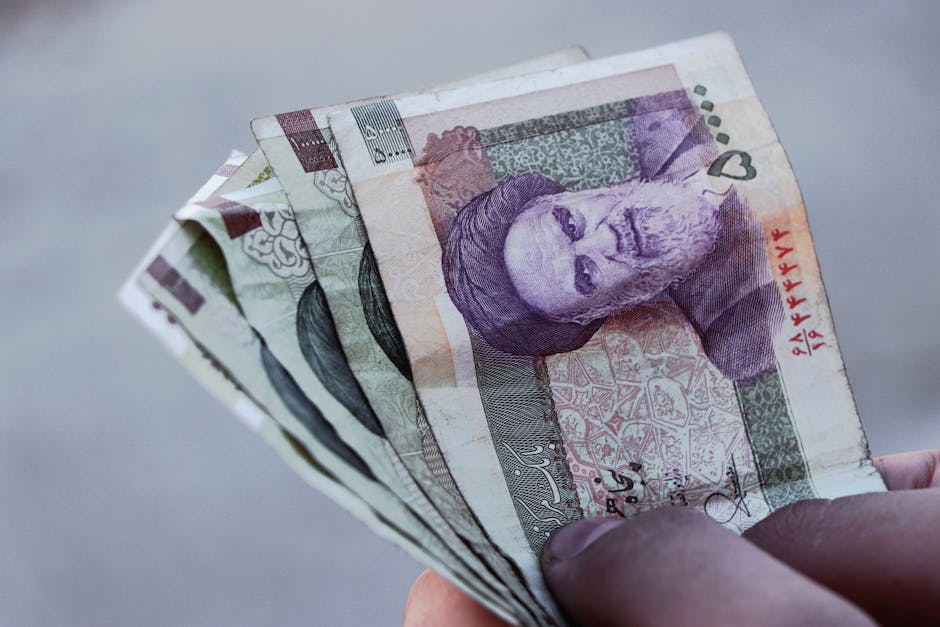
Inflationary Relief: By potentially lowering crude oil prices, the move could contribute to a broader cooling of global inflation, benefiting economies struggling with rising costs. This would provide central banks with more flexibility in their monetary policy decisions.
* Economic Growth: Lower energy costs reduce input costs for industries worldwide, potentially stimulating manufacturing, transportation, and other sectors, thus supporting global economic growth.
* Market Stability: While an initial price dip might occur, a more stable and predictable supply environment, even with additional Iranian crude, could reduce market volatility and provide greater certainty for long-term planning by businesses and governments. However, a sudden, uncontrolled flood of oil could also lead to market instability and price crashes, impacting investment in future production.
What Next
The coming weeks and months will be critical in determining whether the U.S. administration moves forward with easing restrictions on Iranian crude and how such a decision would reshape global energy markets and international diplomacy. Several key milestones and reactions are anticipated.
U.S. Decision and Announcement Timeline
The most immediate and pivotal development will be the official decision from the U.S. government regarding the release of Iranian crude. While internal deliberations are reportedly underway, the timing and nature of any announcement remain uncertain.
Factors Influencing the Decision: The administration's decision will likely be influenced by a confluence of factors:
* Oil Price Trends: Continued high oil prices and persistent inflation will exert stronger pressure for action. A significant natural drop in prices, however, could lessen the urgency.
* Domestic Political Considerations: With a presidential election approaching in 2024, the administration will be highly sensitive to public sentiment regarding energy costs.
* Geopolitical Developments: Any escalation of conflicts in the Middle East or new supply disruptions elsewhere could accelerate the decision-making process.
* Diplomatic Progress with Iran: The extent of any sanctions relief might be linked to parallel progress in broader nuclear or regional de-escalation talks with Iran.
* Potential Announcement Channels: An announcement could come from the White House, the State Department, or the Treasury Department, depending on the specifics of the policy. A formal executive order or a series of guidance documents from OFAC would likely detail the scope and conditions of any waivers or enforcement changes.
* Scenarios for Implementation:
* Limited, Temporary Waivers: The most likely initial step might be targeted waivers for specific volumes or buyers, allowing the administration to test market reaction and manage diplomatic fallout.
* Broader Sanctions Relief (Tied to Diplomacy): A more substantial release of Iranian oil would almost certainly be part of a larger diplomatic package, potentially a return to or a modified version of the JCPOA, requiring Iran to make verifiable concessions on its nuclear program.
* "No Change" Scenario: The administration could also decide against any formal change, opting instead for continued, subtle de-escalation of enforcement or relying on other strategies to manage oil prices.
Iran’s Response and Nuclear Concessions
Iran's reaction to any U.S. move will be crucial. While increased oil revenue would be economically beneficial, Tehran's political response will depend on the conditions attached to any sanctions relief.
Demands for Full Sanctions Lift: Iran has consistently demanded the complete and unconditional lifting of all U.S. sanctions as a prerequisite for any new nuclear deal. Any partial or temporary relief might be viewed as insufficient or a tactic to extract concessions without a full commitment from Washington.
* Potential for Nuclear De-escalation: If the U.S. offers significant and sustained sanctions relief, Iran might be more amenable to re-engaging in formal negotiations regarding its nuclear program. This could involve slowing down uranium enrichment, granting greater access to IAEA inspectors, or addressing other proliferation concerns.
* Internal Political Dynamics: Iranian hardliners may resist any overt concessions to the U.S., viewing it as a sign of weakness. The outcome will depend on the balance of power between various factions within the Iranian political establishment and the perceived benefits of engagement.
OPEC+ Reaction and Production Adjustments
OPEC+ will be closely monitoring any U.S. decision regarding Iranian oil. The group's reaction could significantly impact global supply dynamics.
Emergency Meeting: A substantial influx of Iranian crude could prompt OPEC+ to convene an emergency meeting to reassess market conditions and their production strategy.
* Deepening Cuts: In response to increased supply, OPEC+ members, particularly Saudi Arabia, might consider deepening their existing production cuts to maintain their target price levels. This would be a politically charged decision, further straining relations with consuming nations.
* Maintaining Status Quo: Alternatively, OPEC+ might choose to absorb the additional Iranian supply, especially if global demand remains strong or if the amount of released Iranian oil is relatively small. They might also view it as a temporary measure and avoid overreacting.
* Internal Discord: Disagreements within OPEC+ could emerge, as some members might be more willing to accept lower prices than others, or might object to further cuts.
Geopolitical Ramifications and Diplomatic Fallout
The decision will inevitably trigger a wave of diplomatic reactions from key U.S. allies and adversaries.
Allies' Concerns: Israel and some Gulf Arab states (e.g., UAE, Bahrain) would likely express strong opposition, fearing that increased Iranian revenue could destabilize the region and empower Tehran's proxies. This could lead to diplomatic tensions with Washington.
* European Stance: European nations, which were signatories to the JCPOA and have generally favored a diplomatic approach to Iran, might welcome a move that stabilizes oil prices and potentially opens avenues for renewed nuclear talks, but they would also be wary of alienating regional allies.
* Russia and China: Russia, a key ally of Iran and a major oil producer itself, would watch closely. While increased Iranian supply could compete with Russian oil in certain markets, Russia might also see it as a weakening of U.S. sanctions policy. China, a major buyer of Iranian oil, would likely welcome any move that increases supply and potentially lowers prices.
Market Outlook and Analyst Predictions
Energy analysts and market watchers will be scrutinizing every detail for clues on future oil price trajectories.
Short-term Volatility: The market is likely to remain highly volatile in the immediate aftermath of any U.S. announcement, with prices reacting sharply to news and speculation.
* Price Ceiling: The potential for Iranian crude to re-enter the market could establish a "soft ceiling" on oil prices, making it harder for Brent and WTI to sustain levels significantly above $90-$95 per barrel in the near to medium term, assuming demand does not surge unexpectedly.
* Long-term Trends: The long-term impact will depend on the volume of Iranian oil released, the duration of any sanctions relief, and the broader global supply-demand balance. If a full JCPOA revival occurs, Iran could add over 1 million bpd to global markets within a year, significantly altering the supply landscape.
* Investment Decisions: Oil companies will closely watch price signals, as sustained lower prices could affect their capital expenditure plans for new exploration and production, potentially impacting future supply.
Broader Nuclear Talks and Regional De-escalation
Ultimately, the consideration of Iranian crude is intertwined with the broader U.S. strategy towards Iran.
Pathway to JCPOA Revival: A limited release of Iranian oil could be a confidence-building measure, signaling U.S. willingness to de-escalate, and potentially paving the way for more comprehensive negotiations on a return to the JCPOA.
* New Framework for Engagement: