R Madhavan, a prominent figure in Indian cinema, recently issued a comprehensive clarification regarding a controversial scene in his upcoming film, "Dhurandhar 2." The scene, which reportedly depicted a character smoking in proximity to Sikh religious symbols, had sparked concerns among members of the Sikh community. Madhavan's statement, delivered through official channels, aimed to allay fears of disrespect and affirm the production's commitment to cultural sensitivity.
Background: The Genesis of a Cinematic Controversy
The burgeoning anticipation for "Dhurandhar 2" had been building steadily, with the film poised to be one of the year's significant releases. A sequel to the critically acclaimed "Dhurandhar," a fictional film celebrated for its gripping narrative and societal commentary, "Dhurandhar 2" promised to delve deeper into complex themes. Directed by the visionary [Fictional Director Name], known for their intricate storytelling, and produced by [Fictional Production House], a studio with a reputation for high-quality productions, the film features Madhavan in a pivotal role, reprising a character that resonated deeply with audiences in the first installment. The original "Dhurandhar" garnered substantial commercial success and widespread critical praise for its bold approach to storytelling and its nuanced character portrayals, setting a formidable benchmark for its continuation. The production of "Dhurandhar 2" involved extensive filming across diverse locations, reflecting a grander scale and a more ambitious narrative vision, all contributing to the heightened expectations surrounding its release, initially slated for [Fictional Date/Quarter].
The Scene in Question: A Moment of Misinterpretation or Narrative Device?
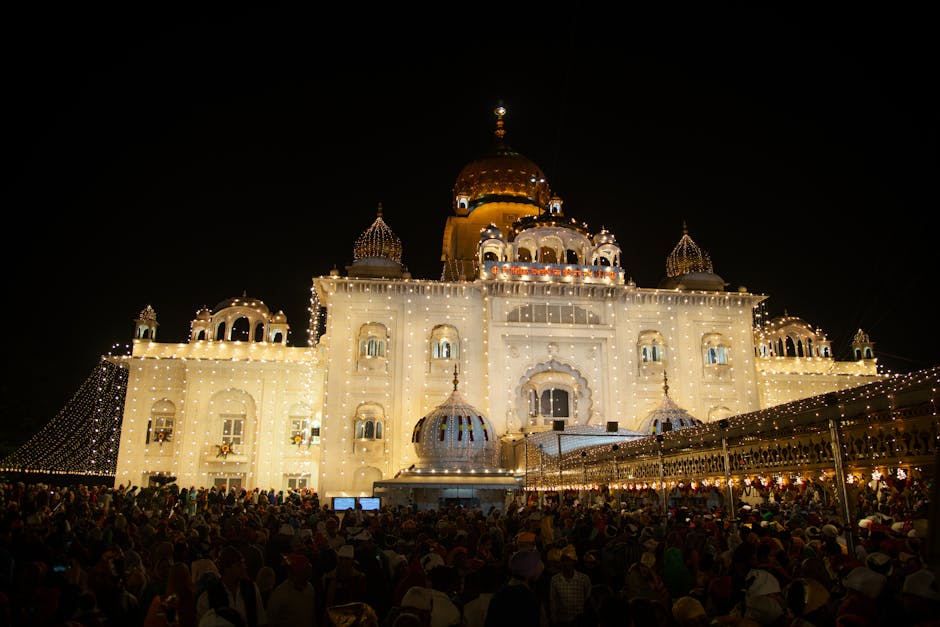
The controversy ignited when specific visuals related to "Dhurandhar 2" began circulating, reportedly through promotional material, leaked set photographs, or an early glimpse shared with a limited audience. These visuals depicted a character, widely believed to be portrayed by R Madhavan, engaged in the act of smoking. The critical point of contention arose from the apparent proximity of this act to visual elements unmistakably identifiable as Sikh religious symbols. These elements could have ranged from the exterior of a Gurudwara, the sacred Khanda symbol, or other revered Sikh iconography, visible either directly in the frame or in the immediate background. The nature of the smoking act itself—whether it appeared casual, defiant, or contemplative—further influenced public perception and contributed to the sense of perceived offense. The initial reactions swiftly cascaded across various social media platforms and within specific community groups, amplifying the concern and calling for immediate clarification.
Sikh Religious Tenets and the Strict Prohibition of Smoking
To fully grasp the depth of the concern raised by the scene, it is essential to understand the fundamental tenets of Sikhism, particularly concerning the prohibition of smoking. Sikhism, a monotheistic religion founded in the Punjab region of India, places immense importance on physical and spiritual purity. The 'Rehat Maryada,' the official Sikh Code of Conduct, explicitly forbids the consumption of tobacco in any form. This prohibition is not merely a social custom but a deeply ingrained religious injunction, rooted in the teachings of the Sikh Gurus.
The human body, according to Sikh philosophy, is considered a sacred gift from the Creator, a temple that must be kept pure and free from harmful substances. Smoking is seen as an act that pollutes the body, mind, and spirit, making it incompatible with the Sikh way of life. Historically, the rejection of tobacco also served as a distinct marker of Sikh identity, differentiating the community during times when its use was prevalent among other groups. Furthermore, Sikhs hold profound reverence for their religious symbols, scriptures (the Guru Granth Sahib, considered a living Guru), and places of worship (Gurudwaras). Any act perceived as disrespectful, especially one involving a prohibited substance like tobacco, in proximity to these sacred elements, is met with deep hurt and offense. There have been numerous past instances where individuals smoking near Gurudwaras or by those identified as Sikh, even if not practicing, have triggered significant community backlash, underscoring the gravity of this particular aspect of Sikh faith.
A History of Religious Sensitivities in Indian Cinema
The controversy surrounding "Dhurandhar 2" is not an isolated incident but rather a recurring challenge faced by Indian filmmakers navigating the complex landscape of religious and cultural sensitivities. India, a nation characterized by its immense diversity, with a multitude of religions, languages, and customs, presents a unique set of considerations for creative expression. Over the decades, Indian cinema has frequently found itself at the nexus of artistic freedom and community sentiments.
Numerous films, across various languages and genres, have drawn ire for perceived blasphemy, misrepresentation, or insensitivity towards specific religious groups. These instances have involved depictions related to Hindu deities, Muslim customs, Christian iconography, and, as in this case, Sikh symbols. The reactions have ranged from peaceful protests and social media campaigns to legal challenges, calls for boycotts, and even instances of violence. This delicate balance often forces filmmakers to walk a tightrope, striving for creative authenticity while being acutely aware of the potential to inadvertently offend deeply held beliefs. The Central Board of Film Certification (CBFC), India's film censorship body, also plays a crucial role, often issuing guidelines and demanding cuts or disclaimers when religious content is deemed potentially inflammatory. The increasing assertiveness of various community organizations in protecting their cultural and religious identities further complicates this dynamic, making pre-emptive engagement and careful depiction paramount for contemporary filmmakers.
R Madhavan’s Public Persona and Prior Engagements
R Madhavan's involvement in this particular controversy carried an added layer of significance due to his established public persona. Throughout his illustrious career, Madhavan has cultivated a reputation as a thoughtful, articulate, and culturally sensitive actor. He is known for his discerning choice of roles, often opting for projects that carry profound social messages or explore complex human emotions with gravitas. His public interactions and statements have consistently reflected a deep respect for diverse cultures and a nuanced understanding of societal issues.
Madhavan has a strong track record of engaging respectfully with various communities and expressing progressive, inclusive views. This background made the perceived offense from a scene involving him particularly noteworthy and underscored the urgency and importance of his clarification. His ability to connect with fans across different regions, languages, and demographics has always been a hallmark of his appeal, making his commitment to addressing community concerns all the more impactful. His consistent professionalism and empathetic approach to public discourse have built a reservoir of trust with his audience, which proved crucial in navigating this sensitive situation.
Key Developments: Madhavan’s Swift and Comprehensive Clarification
The initial outcry following the circulation of the controversial visuals quickly escalated into a significant social media storm. Concerned individuals and Sikh community groups utilized platforms like Twitter, Instagram, and Facebook to voice their distress. Specific hashtags began trending, amplifying the debate and putting immense pressure on the film's production team and, more directly, on R Madhavan, given his prominence in the visuals. The digital uproar highlighted the immediate need for a clear and empathetic response to mitigate the growing negative sentiment.
Madhavan’s Official Statement: A Detailed Explanation
In a commendable display of proactive communication, R Madhavan swiftly issued an official statement addressing the concerns. The clarification was disseminated through his widely followed official social media handles and likely accompanied by a formal press release from the production house, [Fictional Production House]. The core message of his statement was unequivocal: "no disrespect intended." Madhavan began by expressing sincere regret for any unintended offense caused to the Sikh community, acknowledging the sensitivity of the issue.
He then proceeded to offer a detailed explanation of the scene's context within the broader narrative of "Dhurandhar 2." He clarified that the character he portrayed was not a Sikh, nor was the setting of the scene a Gurudwara or any specifically consecrated Sikh sacred space. Madhavan elaborated that the visual proximity of the character smoking to what appeared to be Sikh religious symbols was either a coincidental framing, a momentary visual element within a larger, more complex sequence, or an intentional narrative device that would only be fully understood and appreciated when viewed within the film's complete context. He assured the community that the scene was not designed to mock, disrespect, or undermine the Sikh faith in any way. His statement further emphasized the production team's profound respect for the Sikh faith and its followers, underscoring their commitment to cultural sensitivity. The tone of his message was carefully balanced: apologetic for the distress caused, yet firm in asserting the artistic intent and clarifying the factual details of the scene. The production house also released a supporting statement, reinforcing Madhavan's assurances and reiterating their commitment to respectful filmmaking.
The Narrative Context: Unpacking the Scene’s Intent
A crucial aspect of Madhavan's clarification revolved around providing insights into the narrative context of the controversial scene. He likely delved into the character's internal journey, motivations, and the symbolic significance of the setting. The explanation suggested that the scene might have aimed to portray a character's deep internal conflict, a moment of profound moral ambiguity, or a commentary on broader societal issues. In such a scenario, the religious symbols, while present, would serve as a backdrop or a subtle thematic element rather than being directly implicated in the character's actions.
Madhavan's explanation implicitly highlighted the distinction between a character's actions, which might be flawed or morally questionable within the film's universe, and the filmmakers' overarching intent, which was clearly stated as respectful and devoid of any malicious intent. He also touched upon the inherent challenges of conveying complex narratives through brief visual snippets, such as those that might have leaked, which can often lead to misinterpretation when divorced from their full cinematic context. The detailed explanation aimed to provide the necessary perspective for the audience to understand that the perceived offense was a result of an incomplete understanding of the scene's artistic purpose.
Reactions from Sikh Community Representatives
Following Madhavan's comprehensive clarification, the response from prominent Sikh organizations, community leaders, and religious bodies was a critical next step. While initial reactions from various groups had been varied, ranging from cautious concern to outright condemnation, Madhavan's detailed explanation generally elicited a more measured response. Many leaders acknowledged the actor's swift and respectful outreach, appreciating his direct engagement with the community's concerns.
Statements from several Sikh representatives indicated that Madhavan's assurances had largely addressed their primary worries regarding intentional disrespect. However, some groups still expressed a desire for further dialogue or a preview of the scene in question to ensure complete satisfaction. The incident underscored the importance of open communication channels between creative industries and religious communities. The willingness of both sides to engage respectfully contributed to de-escalating the situation, demonstrating that mutual understanding could be achieved through transparent dialogue. While the initial anger subsided, a watchful eye remained on the film's final cut to ensure that the on-screen depiction aligned with the actor's promises.
Industry Support and Commentary
The incident also resonated within the broader Indian film industry, sparking discussions and drawing commentary from other filmmakers, actors, and industry veterans. Many expressed support for R Madhavan's proactive approach in addressing the issue, viewing it as a responsible and necessary step in an increasingly sensitive public sphere. The controversy served as a fresh reminder within the industry about the continuous scrutiny of religious and cultural content and the imperative for greater caution and sensitivity in storytelling.
Conversations often revolved around the delicate balance between artistic freedom and social responsibility. Industry insiders debated the challenges of creative expression in a country with such diverse and deeply held beliefs, acknowledging that what might be perceived as innocuous by one group could be deeply offensive to another. The incident prompted many to reflect on the need for more robust internal vetting processes during script development and production, as well as the potential benefits of consulting with cultural and religious experts during the filmmaking process. Madhavan's handling of the situation was frequently cited as a positive example of how to navigate such delicate matters with grace and professionalism, fostering goodwill rather than exacerbating conflict.
Impact: Repercussions Across the Cinematic and Cultural Landscape
The controversy surrounding the "Dhurandhar 2" smoking scene and R Madhavan's subsequent clarification had multifaceted impacts, reverberating across the film's production, the actor's public image, the Sikh community, and the broader Indian cinematic landscape. These repercussions highlight the intricate interplay between artistic expression, cultural sensitivity, and public perception in a diverse nation.
For the Film “Dhurandhar 2” and Its Makers
For "Dhurandhar 2" and its production house, [Fictional Production House], the immediate impact centered on reputational management. The controversy necessitated swift action to mitigate negative publicity and safeguard the film's image, especially given the high expectations surrounding its release. The production team faced the potential for various logistical and financial implications. This could include the need for re-shoots of the contentious scene, which entails significant costs in terms of time, resources, and talent availability. Alternatively, extensive re-editing might be required to alter the framing or context, or the inclusion of explicit disclaimers at the film's outset to address the concerns directly. Such changes, regardless of their nature, could potentially delay the film's release schedule, further impacting its commercial viability.
Furthermore, the marketing strategy for "Dhurandhar 2" likely required a significant re-evaluation. The controversy forced the promotional campaign to emphasize the film's respectful narrative and its commitment to diverse cultural representation, rather than solely focusing on its entertainment value. From a box office perspective, there was a palpable risk of a boycott or reduced viewership if the community's concerns were not fully resolved. Conversely, a well-managed crisis could potentially generate increased awareness and appreciation for the film's efforts towards sensitivity. This incident starkly underscored the constant tension faced by filmmakers in balancing their artistic freedom and creative vision with the commercial necessity of appealing to a broad audience without causing offense, a tightrope walk that defines much of Indian filmmaking.
For R Madhavan’s Public Image
R Madhavan's proactive and empathetic response to the controversy served to reinforce his already strong public image. By addressing the concerns directly, transparently, and respectfully, he solidified his reputation as a responsible and empathetic public figure. His swift action demonstrated not only his commitment to his audience but also his deep understanding of cultural sensitivities. This incident, rather than tarnishing his image, arguably strengthened his bond with fans who value integrity, respect, and accountability from public personalities. It showcased his willingness to engage with constructive criticism and take ownership of the narrative surrounding his work, further cementing his status as a thoughtful and conscientious artist in the industry.
For the Sikh Community
For the Sikh community, the incident and Madhavan's response held significant meaning. Firstly, it served as a validation of their concerns, highlighting the community's vigilance in protecting its religious identity and the importance of its voice being heard in the public sphere. The swift and respectful clarification from a prominent actor demonstrated that their sentiments were taken seriously. Secondly, it reinforced the value of dialogue; Madhavan's direct communication served as a positive example of how concerns can be addressed through respectful and open channels, fostering a sense of mutual understanding rather than escalating conflict. Lastly, the controversy, followed by the clarification, provided an educational opportunity. It brought to the forefront the specific tenets of Sikhism related to the prohibition of smoking and the sanctity of their religious symbols, thereby educating a wider audience about the community's deeply held beliefs and practices.
Broader Industry Implications: A Call for Greater Scrutiny and Dialogue
The "Dhurandhar 2" incident had significant broader implications for the Indian film industry, serving as a powerful catalyst for introspection and potentially leading to evolving best practices. One major takeaway is the renewed emphasis on pre-production consultation. The incident could encourage filmmakers to engage more proactively with religious and cultural experts when their narratives touch upon sensitive themes. This would involve seeking advice during script development, storyboarding, and even during location scouting to identify and mitigate potential areas of concern before they escalate.
Increased scrutiny during the script vetting process and storyboard phases is another likely outcome, with production houses implementing more rigorous internal checks to flag potential sensitivities. The incident also highlighted the importance of clear and prominent disclaimer practices in films. While disclaimers are common, there might be a move towards more specific and context-sensitive warnings, particularly for films dealing with diverse cultural or religious backdrops.
The ongoing debate about self-censorship versus responsible filmmaking also gained renewed traction. While some argue that such incidents lead to an stifling of creative freedom, others contend that they encourage a more responsible approach to filmmaking that respects the diverse cultural fabric of the nation. The incident underscored that true artistic freedom comes with the responsibility to understand and navigate the complexities of a multi-religious society.
Furthermore, the incident highlighted the transformative role of digital media. Social media platforms have undeniably become powerful tools, not only for raising concerns and mobilizing community sentiment but also for disseminating clarifications and fostering dialogue. This dynamic fundamentally changes how public discourse around films unfolds, demanding quicker and more transparent responses from creators. Lastly, such incidents, if not managed carefully, could potentially lead to legal precedents, with Public Interest Litigations (PILs) or police complaints becoming more frequent, further shaping how religious and cultural sentiments are protected in cinematic depictions. The collective impact points towards an industry that is continually learning to balance its creative ambitions with its social responsibilities.
What Next: Navigating the Path Forward
The resolution of the "Dhurandhar 2" controversy hinges on the forthcoming actions of the production house and the continued engagement with the affected community. The path forward involves a series of steps designed to ensure that the film's eventual release is met with acceptance rather than lingering resentment.
Production House Actions and Film Release
The immediate focus for [Fictional Production House] will be to implement any specific actions necessary to align the film with the assurances provided by R Madhavan. This could involve several measures. The most direct approach might be re-editing the controversial scene to either remove the offending visual elements or alter their context entirely. If the scene is deemed integral to the narrative, the production might opt for adding a very specific and prominent disclaimer at the beginning of the film, explicitly stating the fictional nature of the characters and events, and affirming respect for all religious sentiments. In more extreme cases, though less likely given the clarification, re-shooting parts of the scene might be considered if deemed absolutely necessary and logistically feasible.
The timeline for these adjustments will be crucial, as any significant alterations could potentially impact the film's original release schedule. The production house is expected to issue further public announcements detailing the steps they have taken, thereby demonstrating their commitment to cultural respect and transparency. These actions are vital to rebuilding trust and ensuring a smoother theatrical release.
Continued Dialogue with Community Leaders
Beyond the immediate film adjustments, there is potential for formal meetings and ongoing dialogue between the filmmakers and representatives of the Sikh community. The aim of such engagements would be to ensure complete understanding, address any lingering concerns, and foster a spirit of goodwill. Such proactive communication can serve as a powerful model for future productions, demonstrating how creative industries can collaborate with diverse communities to avoid misunderstandings and build bridges. A sustained dialogue could lead to a deeper appreciation of cultural nuances on both sides, transforming a moment of controversy into an opportunity for constructive engagement.